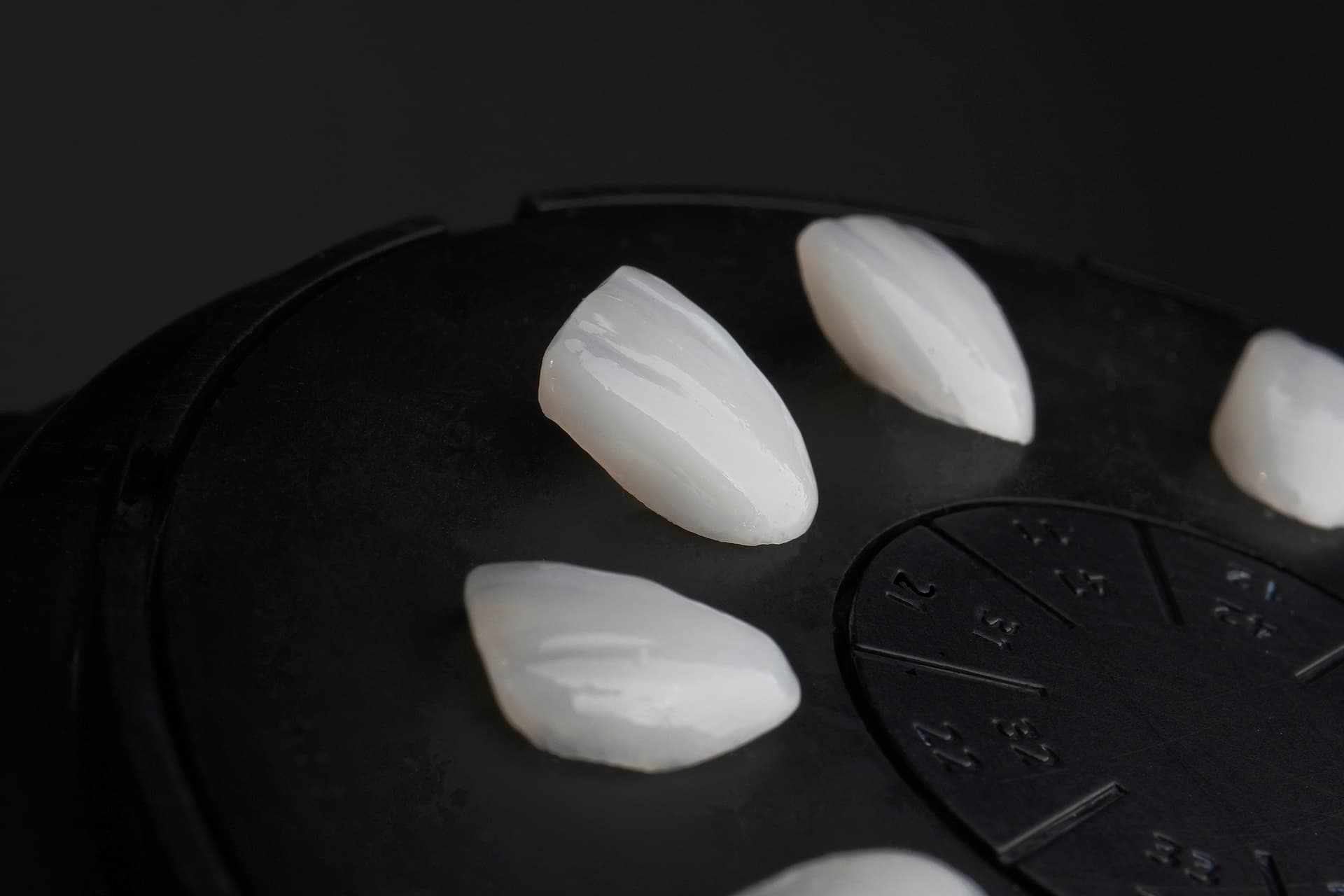
Do I Really Need Veneers? Alternatives to Veneers
If you're unhappy with your smile, veneers can seem like the obvious solution. You see a few teeth you don't like, look at some before-and-after photos of celebrities, and suddenly you're researching dental clinics at midnight.
But veneers aren't automatically the best answer just because they can change a lot at once.
Before I recommend veneers, I want to understand what you actually want to change and whether we can achieve it with a more conservative treatment.
Sometimes the answer is veneers. Sometimes it's whitening. Sometimes it's bonding, orthodontic treatment, gum treatment, or a combination of different approaches.
And sometimes, after looking at everything together, we decide that you don't need veneers at all.
Honestly, I think that's an important conversation to have before anyone touches a tooth.
"What is actually bothering you about your smile?"
This is where I usually start.
A patient might come in and say, “I want veneers,” but what they really mean is, “I don't like that my teeth are yellow,” or “I hate this little gap,” or “My front teeth look too short.”
Those are very different problems, and they don't necessarily require the same treatment.
If color is your main concern, professional teeth whitening may be enough.
If you have a small chip, gap, or shape issue, composite bonding may be able to make the change without placing porcelain veneers.
If your teeth are crowded or rotated, orthodontic treatment or clear aligners may be a better starting point.
And if too much gum shows when you smile, the issue may have more to do with your gums, tooth position, lip movement, or a combination of factors than the teeth themselves.
This is why I don't like starting with the question, “Which veneers should we use?”
I'd rather start with:
“What is it about your smile that you want to change?”
"What are the alternatives to veneers?"
There are several treatments that can improve the appearance of your smile, and the best option depends on what you're trying to change.
1) Whitening
If you're happy with the shape and alignment of your teeth but simply want them brighter, whitening may be all you need.
Veneers can change color, shape, size, and proportion, but if color is the only thing bothering you, I wouldn't automatically jump to veneers.
Sometimes the simplest treatment is the right one.
2) Composite bonding
Bonding can be a great option for small changes.
It can be used to repair chips, close certain small gaps, add a little length, or modify the shape of a tooth. Because composite resin is added directly to the tooth, it can often be completed with little or no removal of healthy tooth structure, depending on the case.
Bonding is particularly attractive for someone who wants a smaller change or isn't ready to commit to porcelain veneers.
It also tends to be easier to modify or repair if you change your mind later.
3) Orthodontics
If your main concern is that your teeth are crooked, crowded, rotated, or spaced apart, orthodontic treatment may be worth considering before veneers.
This is where I sometimes hear:
“Can I just put veneers over my crooked teeth?”
Technically, veneers can sometimes be used to improve the appearance of mildly misaligned teeth. But that doesn't mean they should automatically be used to disguise an orthodontic problem.
If moving the natural teeth into a healthier position can give us a better result while preserving more tooth structure, that's something worth discussing.
Sometimes moving the teeth first allows us to be much more conservative when we eventually restore them.
4) Gum treatment
The gums are part of your smile too.
If your teeth appear short because too much gum covers them, simply making the veneers longer may not give you the most balanced result. Depending on the cause, gum treatment or other periodontal procedures may be considered.
This is another reason why I look at the entire smile rather than designing veneers in isolation.
"Why do patients get veneers then?"
Veneers become more useful when there are multiple things you want to treat at the same time.
Perhaps your teeth are discolored, slightly worn, uneven in shape, and you'd also like to change their proportions. In a situation like that, veneers can allow us to address several aesthetic concerns together.
They can change the color, shape, size, length, and proportions of the visible teeth at the same time.
That doesn't mean veneers are automatically better. It means they may be more appropriate when there are several aesthetic concerns that need to be addressed together.
The question I ask is whether veneers can achieve the result predictably while preserving as much healthy tooth structure as possible.
My Final Thoughts
I believe a good consultation should begin with the question, “What concerns you most about your smile?” rather than “How many veneers would you like?”
We should first take the time to talk about what you would like to change, and then consider the treatment options that best fit those goals. That might mean whitening or bonding, or it could involve orthodontic treatment followed by restorative work only where it is needed. Gum treatment or veneers may also be appropriate, and in some cases, combining several treatments can lead to a better result.
What matters is considering the condition of your teeth, the changes you would like to make, and the extent of treatment you feel comfortable with, and then choosing the approach that is most appropriate for you.
Ultimately, before deciding on treatment, I believe it is important to spend enough time considering not simply “Should I get veneers?” but rather, “What treatment is best suited to me?”
I have also spent a great deal of time looking at my own smile and thinking about how to make it look more natural and beautiful when I smile. Perhaps because of that, I am often told that I notice even smaller details than my patients do during treatment. I tend to pay close attention to everything from the length and proportions of the teeth to the smile line and even very subtle differences in color and shape.
I want to understand what concerns you about your smile, as well as what you do not want, and work with you to find the right answer. At the very least, you can trust that I am not someone who easily settles for “good enough” when it comes to your smile.
As always, I will look at your smile with the same care and consideration I would give to my own teeth.