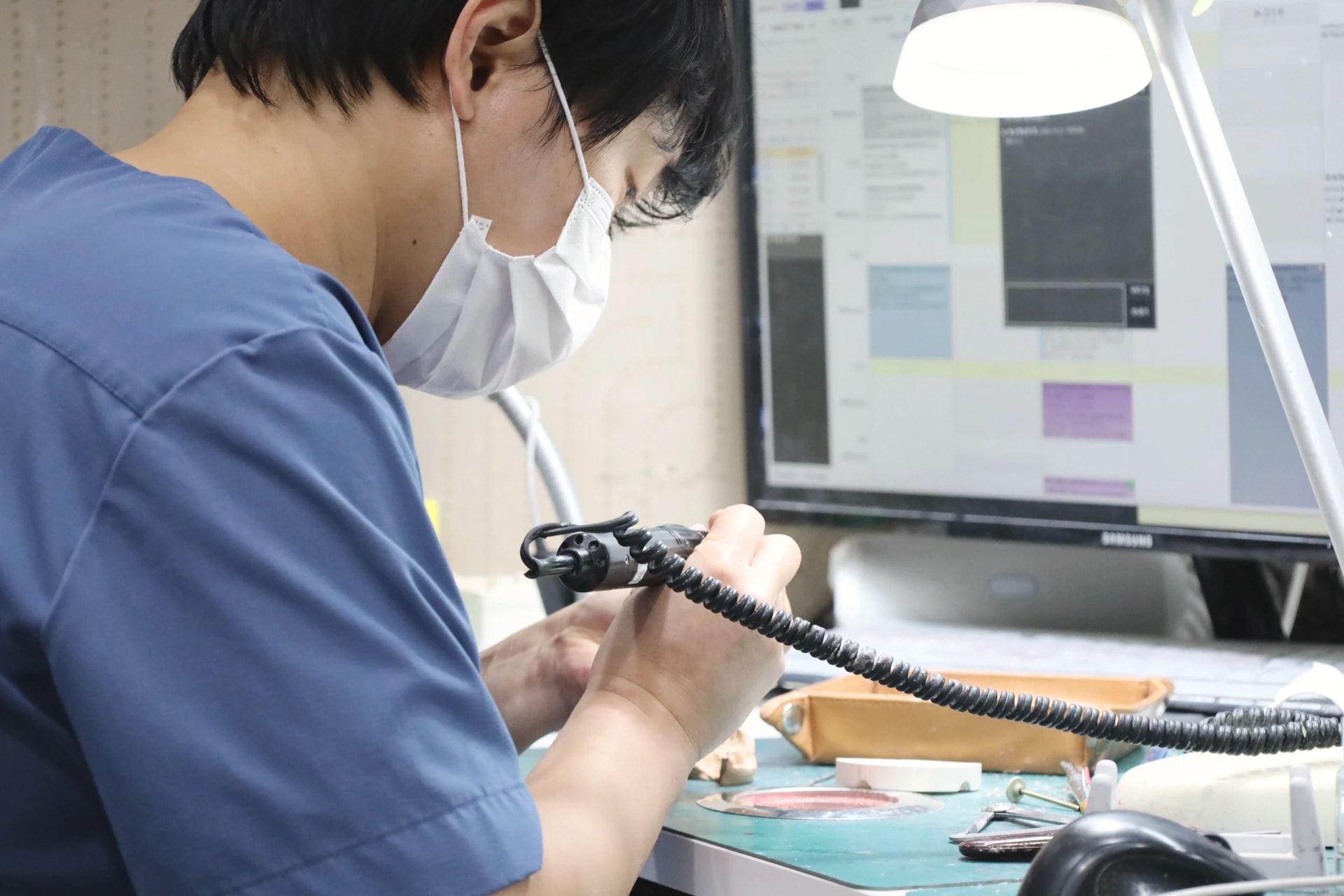
Many hands go into a single veneer. The clinical team listens to what the patient wants, examines the teeth and, at the end, bonds the veneer. In between, a dental technician makes it. At SU Dental Hospital that is Im Baekjin, who oversees the in-house lab.
“I think the aesthetic side comes from the clinic and the lab working together.”
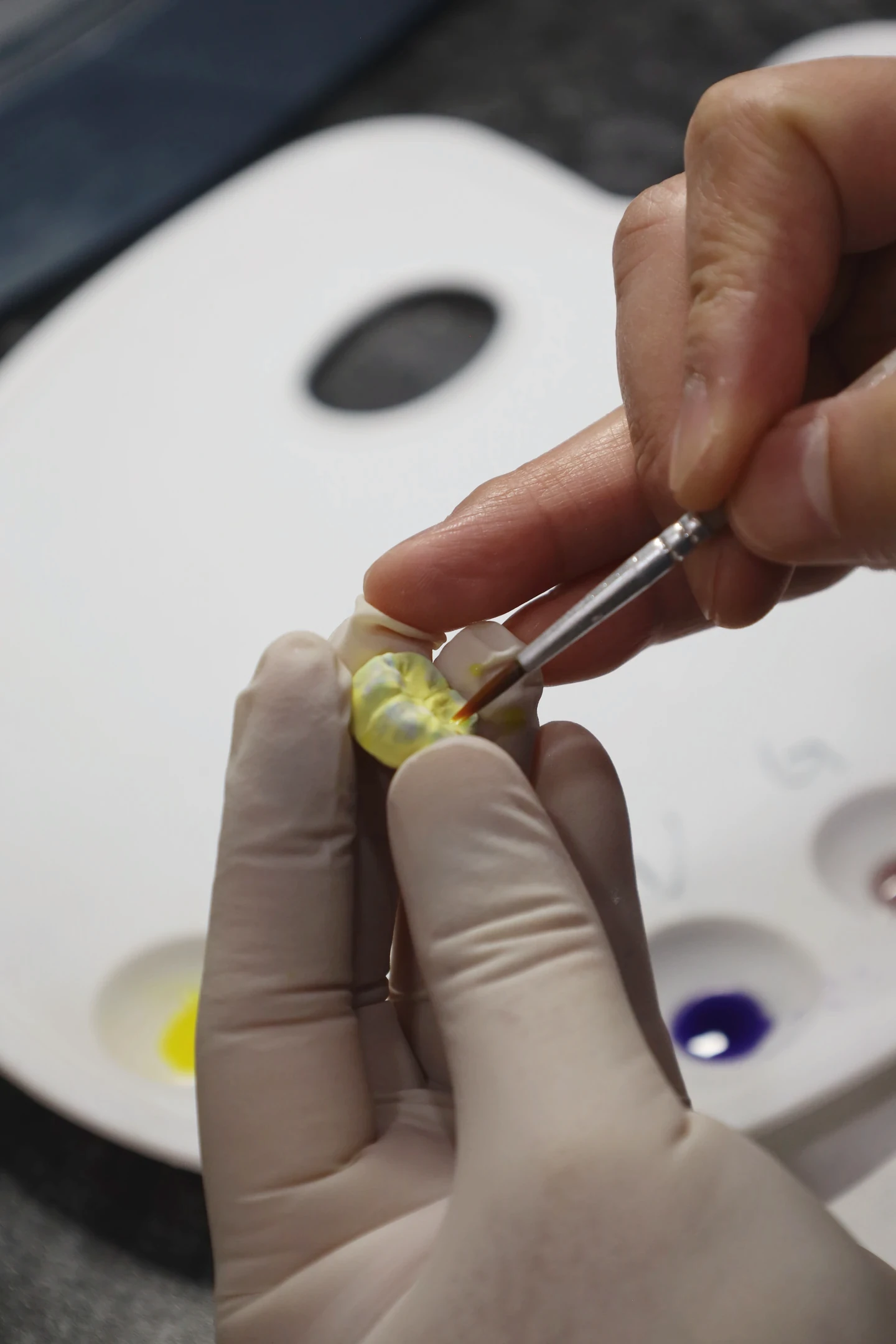
Im began working in dental technology in 2013, while studying it at university. He spent years at a commercial dental lab with nearly twenty technicians. Now he oversees SU Dental Hospital’s in-house lab, making veneers in the shapes and shades agreed during consultations.
Q1.How do the clinic and the lab work together?
“The clinical team first finds out what the patient wants. They pass that on to the lab, and we use it to start the design. So there’s a lot of talking between the clinic and the lab. There has to be.”
“I couldn’t put a percentage on each side’s contribution. The diagnosis and feedback from the dentist matter, and so does the lab work. It doesn’t work if only one side does its job well.”
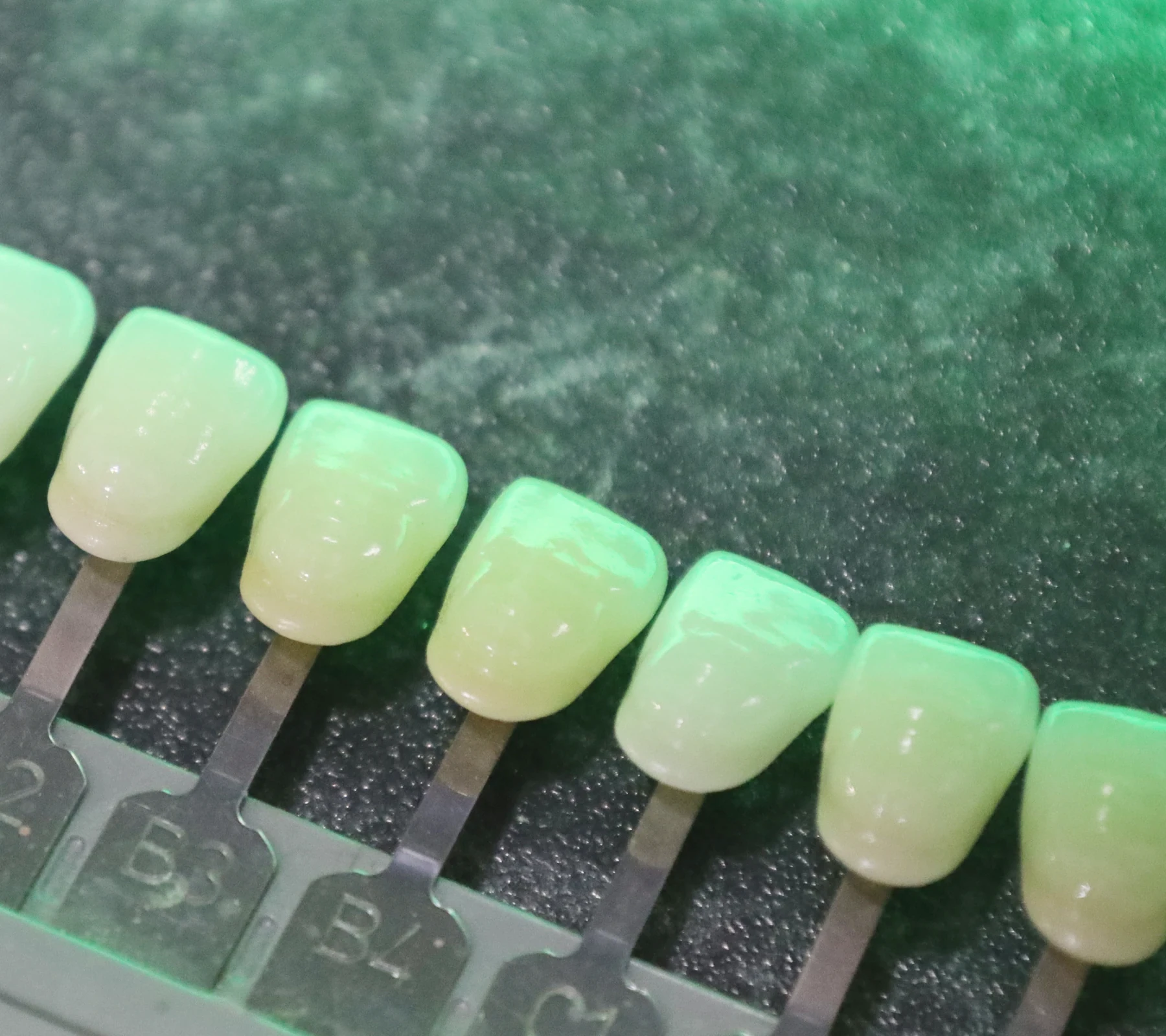
Q2.What is it like overseeing the in-house lab?
“It gets busy when the work piles up. But I look after each piece from start to finish. I can follow my own plan, and I’m responsible for how it turns out. When a case goes well, that’s really satisfying.”
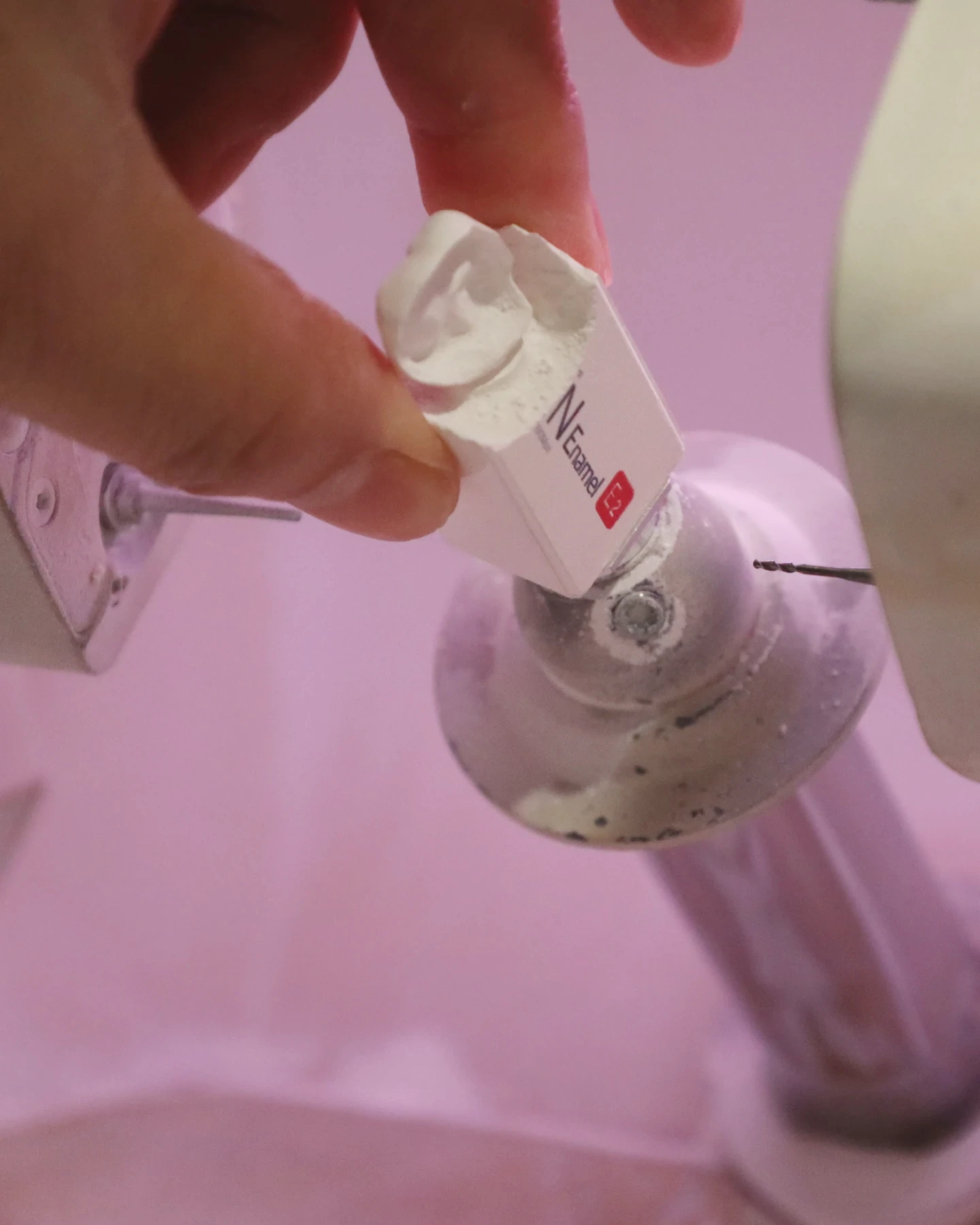
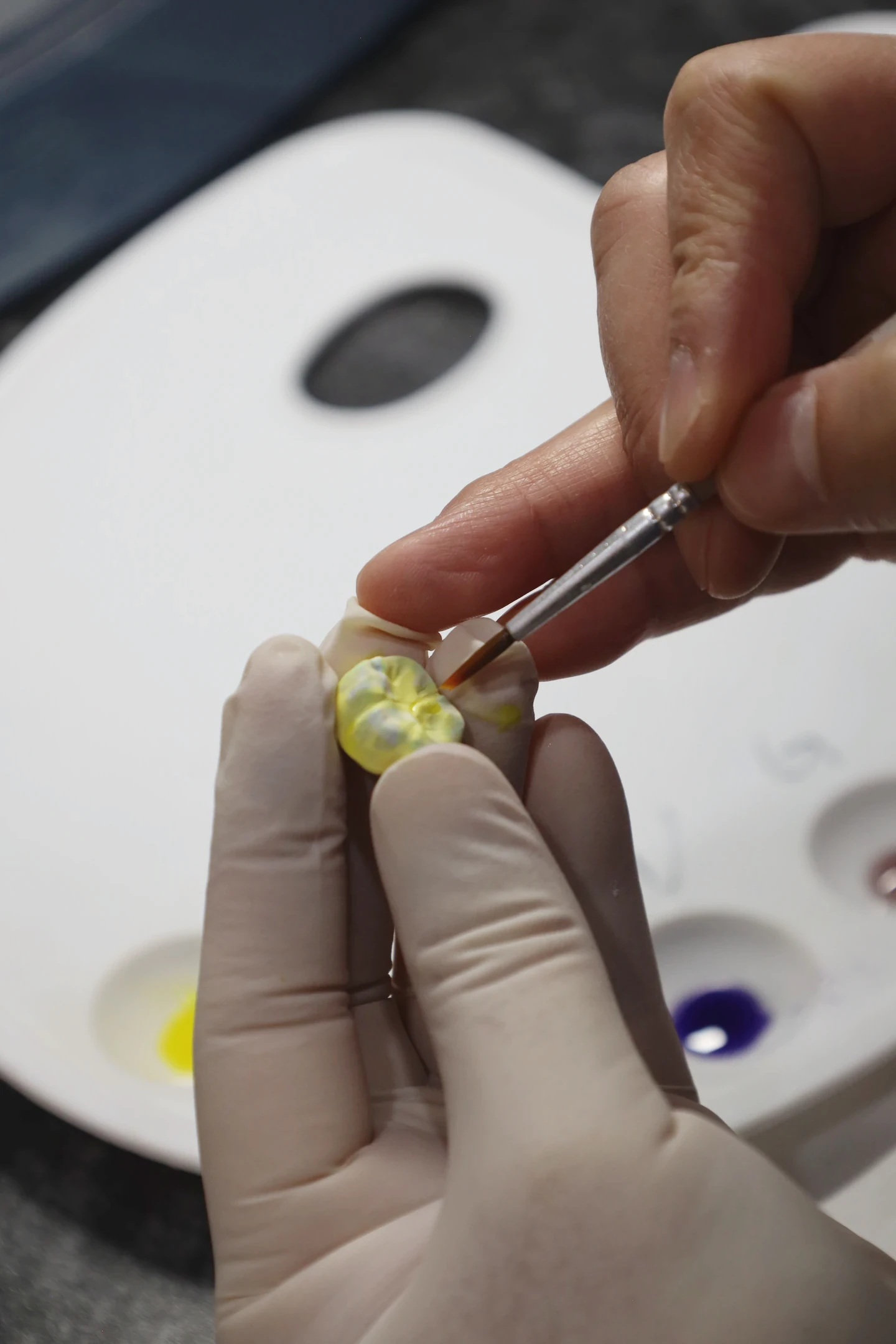
SU Dental Hospital aims to remove as little tooth as possible when preparing for veneers. For Im, that means more delicate work in the lab.
Q3.Does removing less tooth make the veneer harder to make?
“To be honest, making a restoration is easier when the tooth has been reduced to some extent. With minimal preparation, the veneer is very thin. Until it’s bonded, it’s fragile and can break easily, so it needs a lot of care.”
“But from the patient’s point of view, you’re keeping more of your own tooth. That’s what I value about it. It makes the work harder, but I still think it’s the right approach.”
Q4.What do you look for in a well-made veneer?
“I prefer a natural look. I don’t want the veneer to stand out. Dr. Kim likes that too: natural, perhaps a little brighter, but nothing too obvious. She has a good eye, and that makes it easy to work together.”
“Some patients do want very white teeth, and we make them with that preference in mind. Sometimes, though, they hear comments from other people and later have them redone for a more natural look. That’s why I think you need to talk it through properly at the consultation.”
“I prefer a natural look. I don’t want the veneer to stand out.”
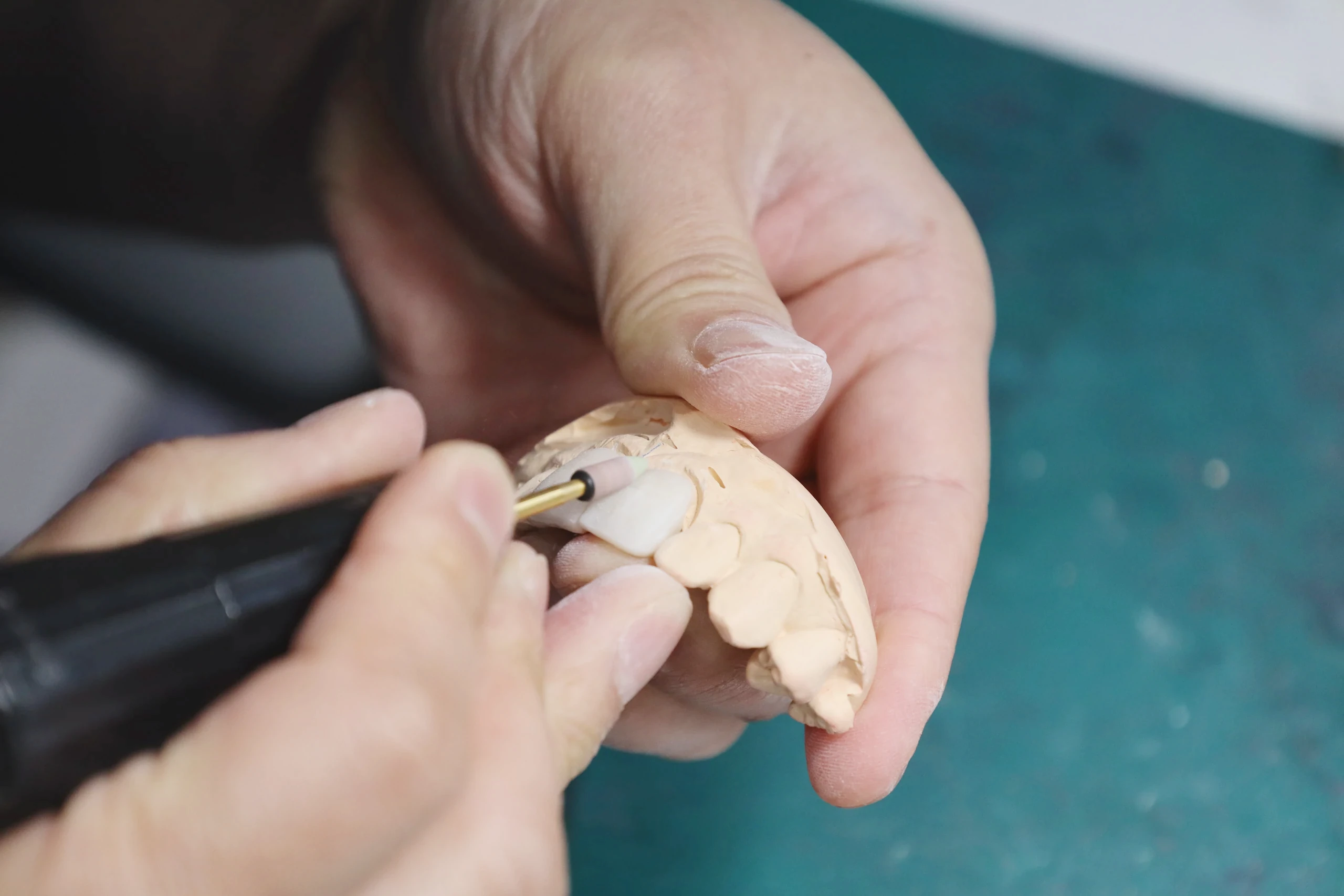
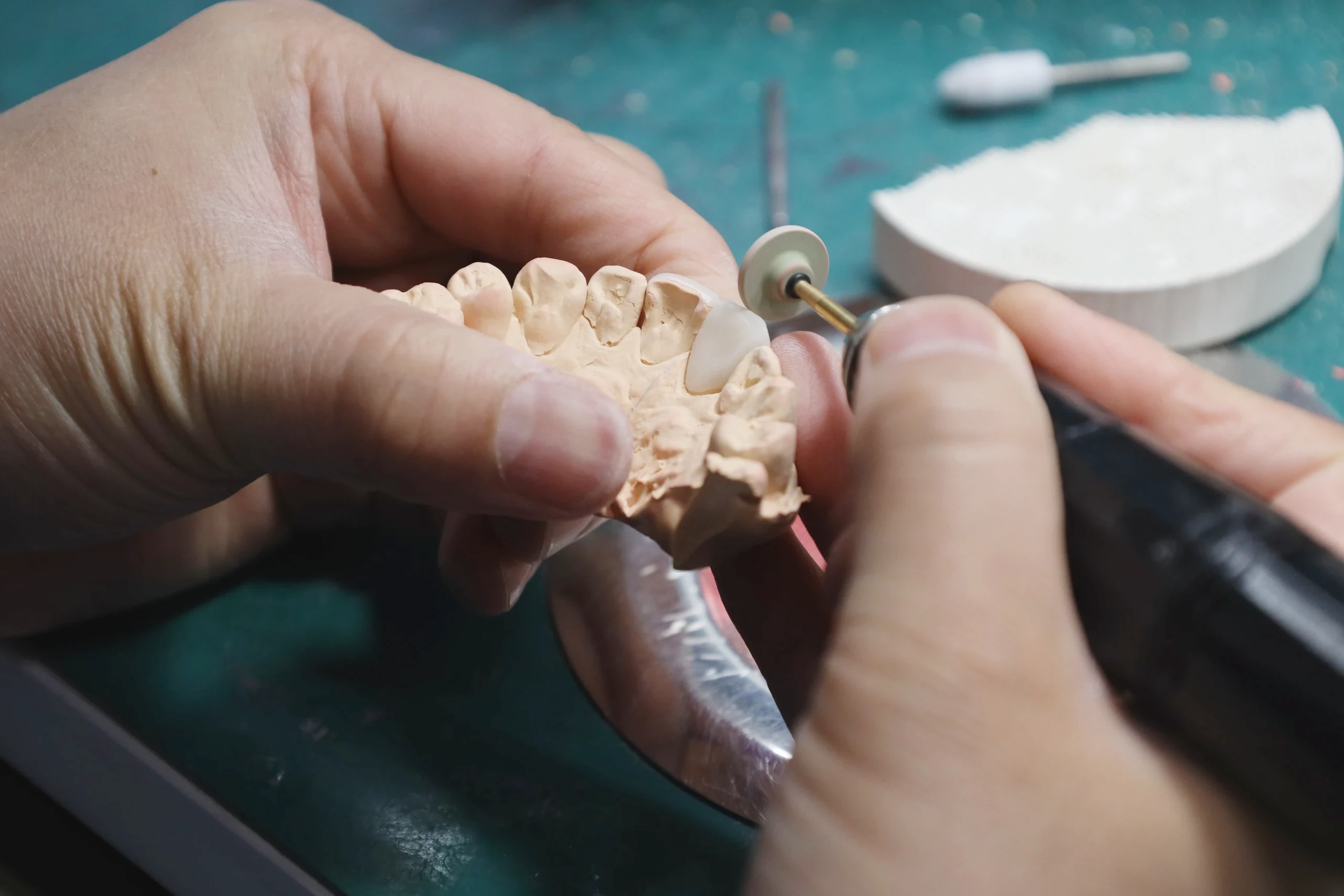
Q5.How can patients explain what they want?
“You don’t need to know the technical terms. But we do need some idea of what you’d like, so bringing a photo is useful. If you have a picture of teeth you like, we can refer to it when deciding on the shape and shade. It gives us a lot to work with.”
“Of course, your face is different from the person’s in the photo. We use that picture as a starting point, then rework the design to suit your face. That’s part of our job.”
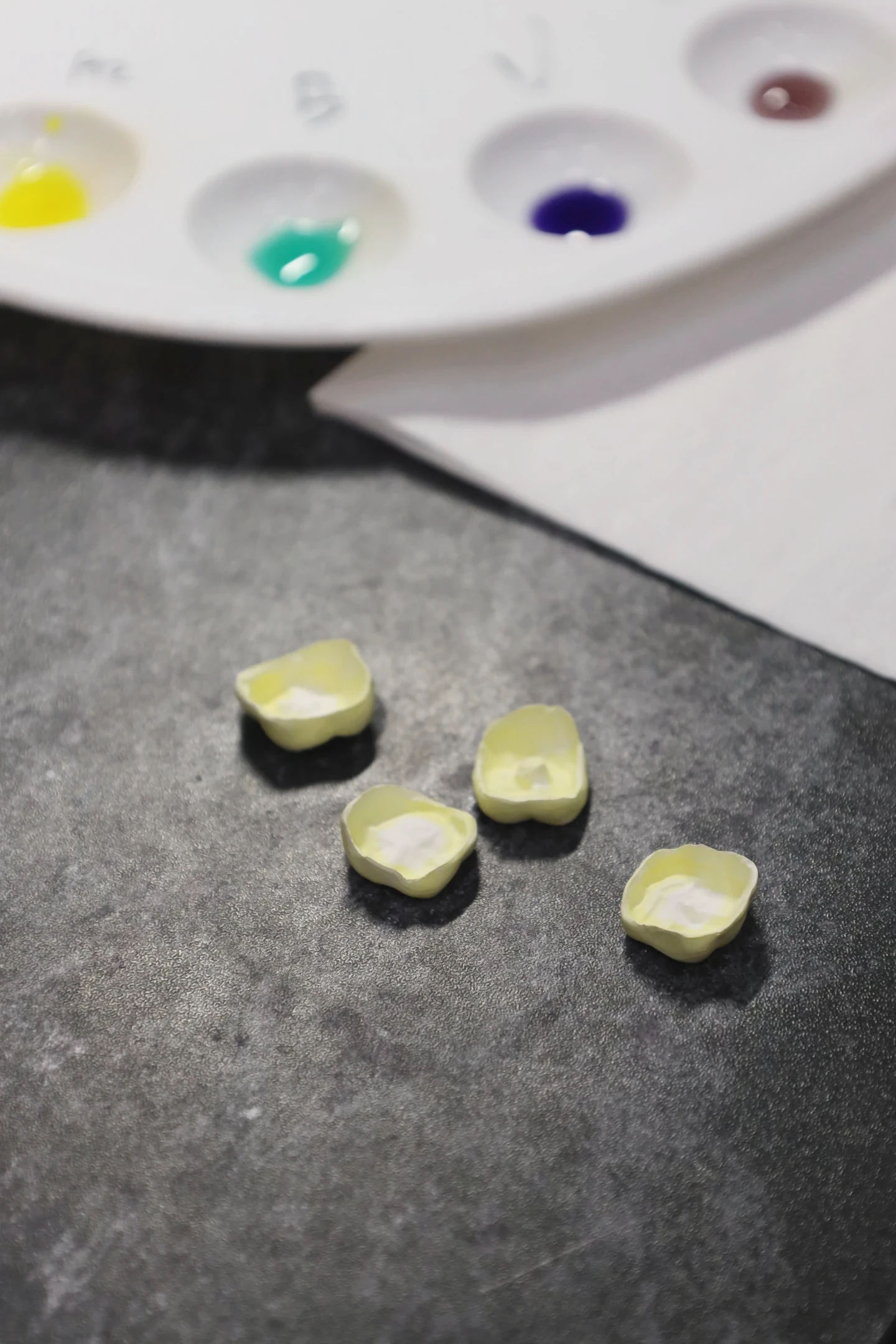
Q6.What sets a good technician apart?
“I think they spend a lot of time learning. The good technicians I know go to seminars at the weekend and stay after work to study during the week. I think that helps them develop the skills to make better restorations.”
“Since becoming a parent, I haven’t been able to get to many seminars. I study from books instead, and I’ve found there’s more to learn from them than I expected.”
Q7.What keeps you going?
“I enjoy dental lab work. I suppose I just like this kind of thing. And sometimes the clinical team tells me a patient was happy with their veneers. Hearing that gives me a lift.”
“There’s always something I wish I’d done better, though. If I’ve tried to match the natural teeth and something isn’t quite right, I keep thinking about it. I feel I could do better. That’s what sends me back to studying.”
If there is a commercial road and a craftsman’s road, he has chosen the second. Removing less tooth, and creating a natural beauty that nobody notices: that is the direction SU Dental Hospital and Im Baekjin pursue.
This article was written by SU Dental Hospital in accordance with Article 56 of the Korean Medical Service Act. For general information only. Veneers often require irreversible tooth preparation and may cause sensitivity, gum inflammation, chipping, or debonding. Consult a licensed dentist before deciding.