
I’m Dr. Suwan Kim, lead dentist at SU Dental Hospital. When a veneer consultation begins, most people bring up color first. How white can my teeth get? Which shade looks best? Questions like these tend to fill the opening minutes. But the longer I practice, the more convinced I become that shape, more than color, determines how a smile comes across.
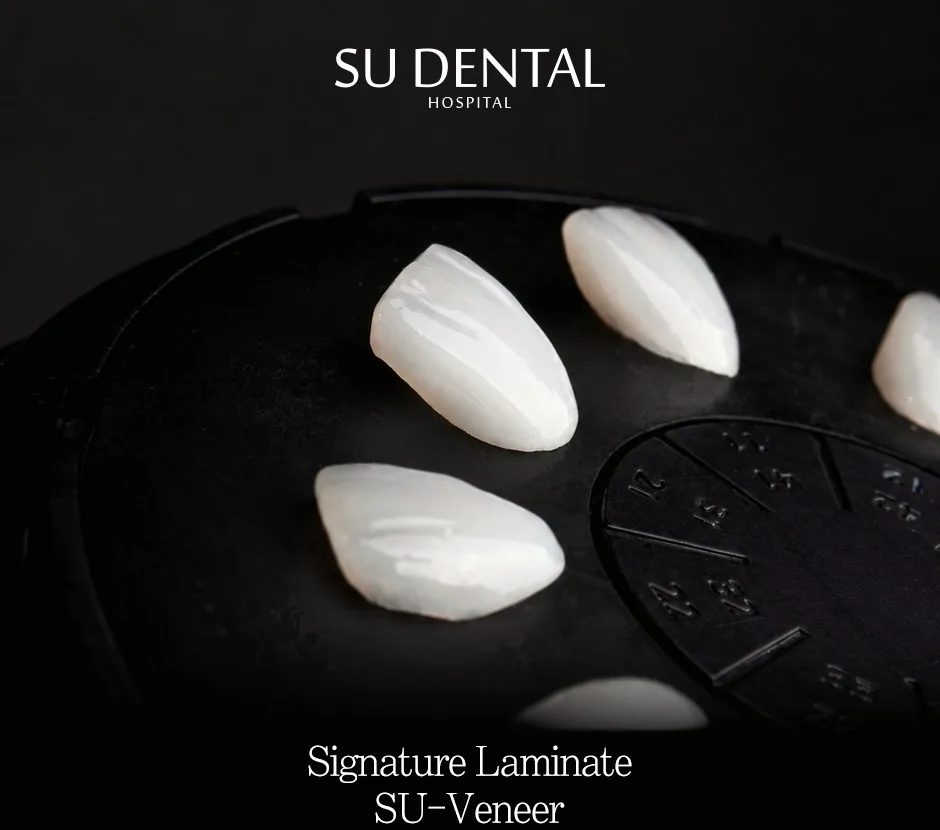
Two smiles can be the same shade of white, yet small differences in tooth length, width and the curve of the biting edges can change the feel of the whole face. In this post, I’ll walk through how SU-Veneer differs from conventional veneers and why I put so much weight on design.
1. SU-Veneer works a little differently from conventional veneers
Veneers as most people know them often start by making room for the ceramic. To fit a shell of a set thickness, the front of each tooth has to be trimmed back evenly by that amount. In other words, the ceramic’s specifications come first, and the tooth is made to fit them.
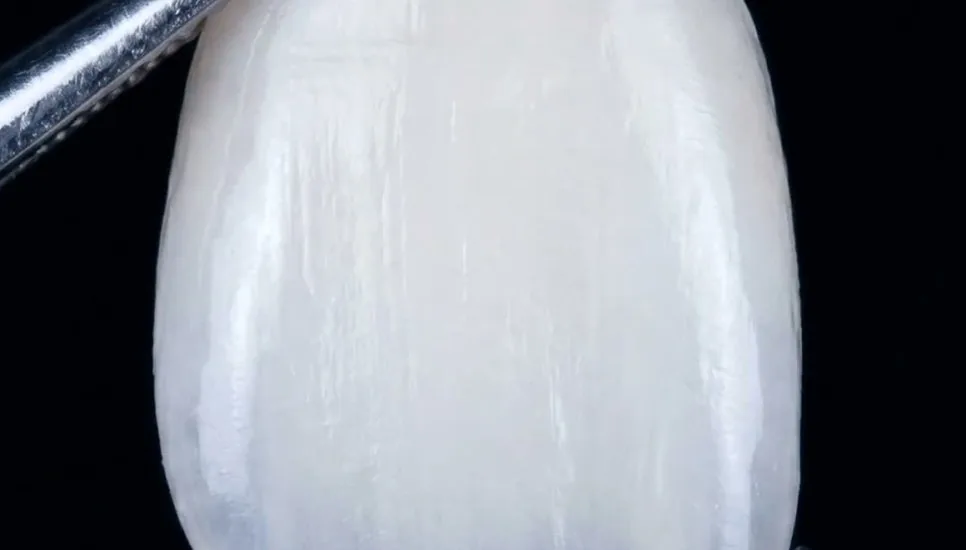
SU-Veneer reverses that order. We design the finished smile first, then reshape only the areas that truly need it to get there. That means each tooth gets a different amount of work, and a tooth that already has space for the veneer to fill may be left almost untouched.
2. Seeing it on screen first
During the consultation, we take a front-facing photo of your face and a photo of you smiling, then use an AI simulation to preview the planned teeth on screen.
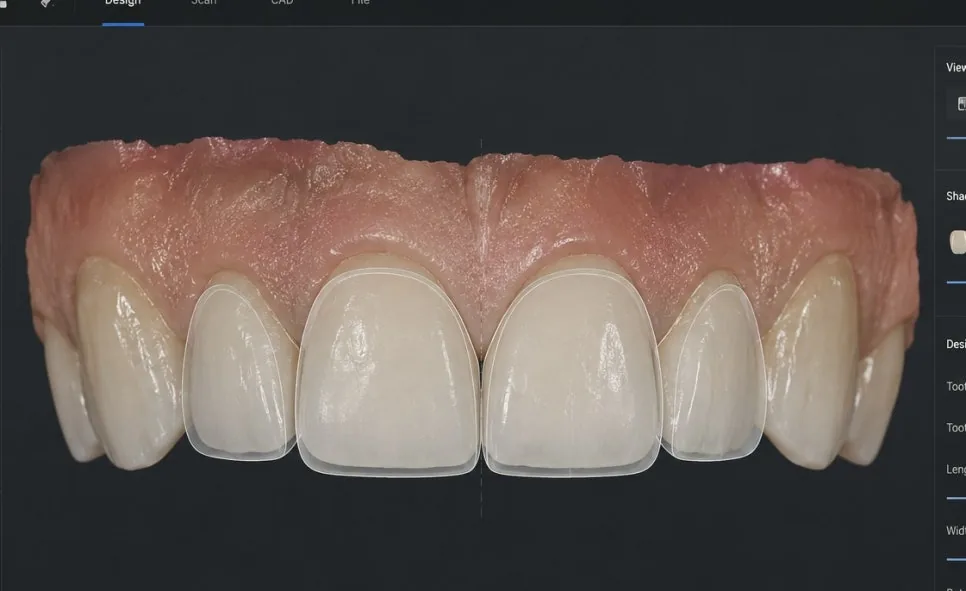
We fine-tune the length and width of each tooth against the way your lips move, the midline of your face and how much gum shows when you smile. The benefit is that we can agree on the direction of the result together before anything is done to your teeth.
“Could you make them a bit rounder?”
“I’d like just the front teeth a little longer.”
Requests like these can be tried out on screen right away and revised as many times as you like until you’re happy. That said, what you see on screen isn’t the finished result. The actual color and thickness of the teeth, and how your upper and lower teeth meet, still have to be checked in the mouth.
3. Most of the result is decided at the design stage
When veneers look slightly off even after treatment, the cause more often lies in the design than in the material.

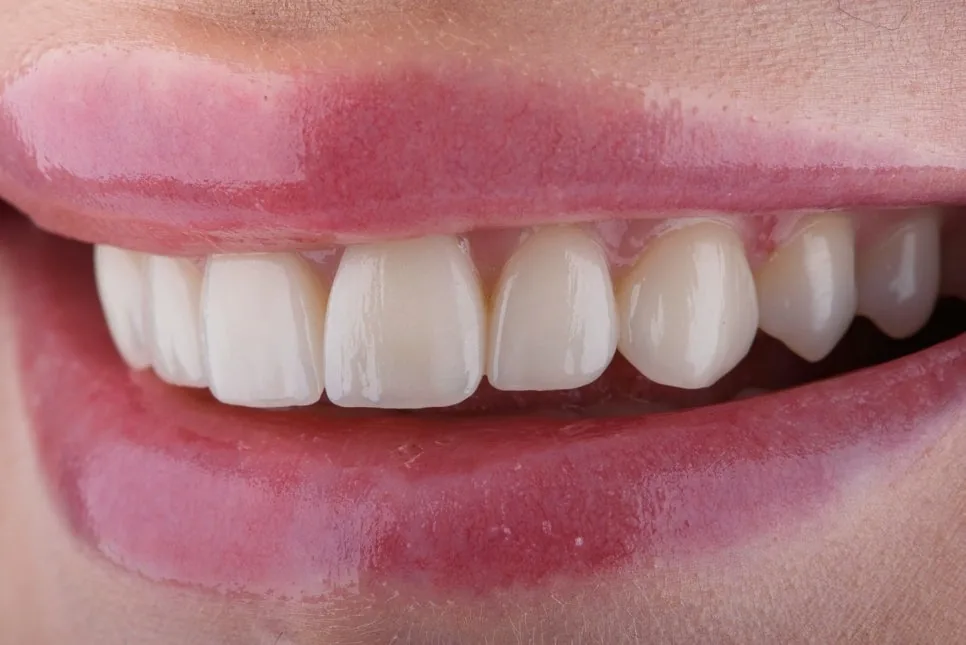
This is an actual SU-Veneer case. Results can vary from person to person.
When I design a smile, there are three things I look at especially closely.
- 1) The proportions of the two front teeth
The length-to-width ratio of the two central front teeth can make a smile’s first impression read as sharper or softer. - 2) The curve of the biting edges
When the edges of the teeth follow the line of the lower lip in a gentle curve as you smile, the overall look is more relaxed and younger. - 3) The tiny gaps between teeth
Natural teeth open up slightly toward their edges, leaving small shadows in between. Fill those in with a straight line, and the teeth can easily look like a single block.
That’s why I don’t see veneers as simply bonding a restoration onto the teeth. To me, the work is redrawing teeth to suit one particular face. I also continue to study smile design and patient communication on my own.
4. A design only matters if it’s built as drawn
However good the design, it’s of little use if it doesn’t carry over faithfully into the actual ceramic.
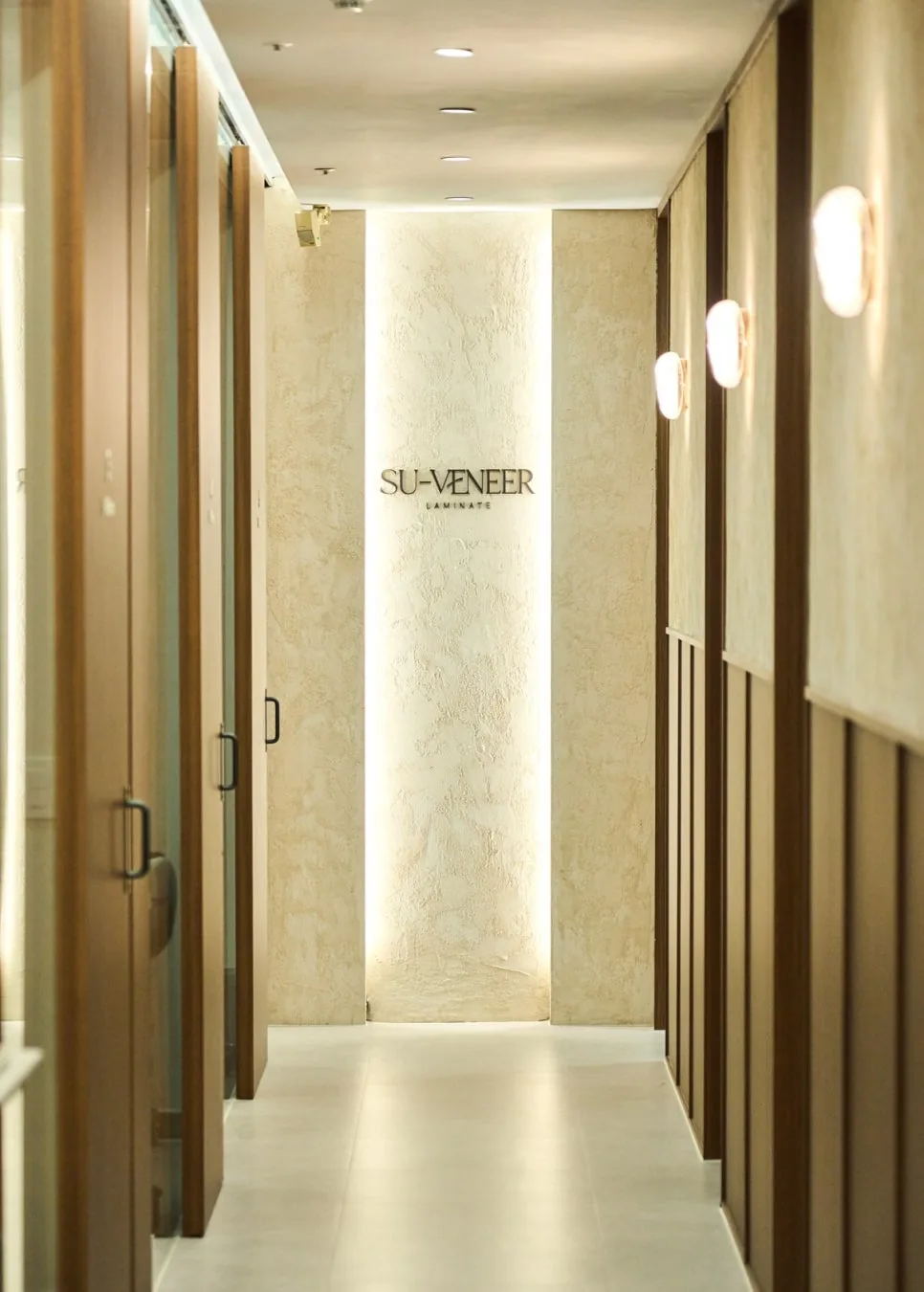
Our in-house dental lab is on the same floor, so we can pass the agreed design back and forth and refine it on the spot. We try the finished veneers in your mouth, and if a line or length looks even slightly off, we adjust it right away. It’s also important to keep checking until the smile in the mirror matches the one we chose together on screen.
Final thoughts
To me, veneer treatment starts with deciding what smile to create, not how many teeth to cover.
Less reshaping, a more natural look—keeping both means spending time on the design. When you come in for a consultation, I hope you’ll start by looking at the on-screen smile with me and take your time choosing a shape you like. Just being able to see the result before you decide can make those vague worries feel a good deal lighter.
Thank you for reading.
Dr. Suwan Kim, Lead Dentist, SU Dental Hospital
[Related reading]
- Best 1. About us
- Best 2. A closer look at SU-Veneer
This post was written by SU Dental Hospital and complies with Article 56(1) of the Korean Medical Service Act and all other laws governing medical advertising. Any surgery or procedure may carry side effects that vary by individual, so please get a thorough explanation from our medical team and decide carefully before undergoing treatment.
This article was written by SU Dental Hospital and complies with Article 56 of the Korean Medical Service Act and related medical advertising regulations. Every procedure carries a risk of side effects that varies from person to person, so please talk it through fully with your dentist before making a decision.