
Hello, I’m Dr. Suwan Kim, director of SU Dental Hospital. When I pull up a patient’s CT scan during an implant consultation, there’s one spot people tend to study the longest: the gray jawbone beneath the gap where a tooth used to be.
“Can you really put an implant here?”
Plenty of patients point right at the screen when they ask. Today I’d like to answer that question by walking you through digital guided implant surgery.
1. Where the implant goes matters
An implant is an artificial tooth root set into the jawbone. Even with the same implant system, a small change in angle, depth, or position changes the direction biting forces travel and the shape of the crown that sits on top. The jawbone also contains structures that have to be avoided, such as the canal a nerve runs through and hollow, air-filled spaces.
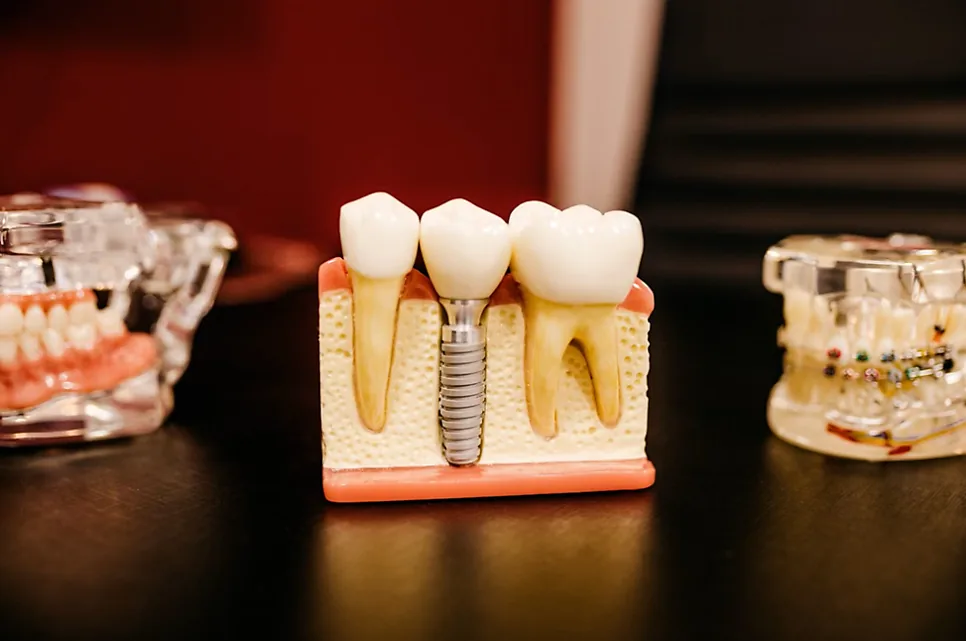
Even at the same molar site, one person may have a narrow ridge of bone and another may not have enough height, so every case looks different. That’s why we put as much care into deciding where the implant goes as into placing it.
2. How guided surgery works
- 1) We examine the bone in 3D with a CT scan.
We check bone thickness and height, along with the distance to surrounding structures, from multiple angles—details that are hard to judge on a flat X-ray. - 2) We place the implant on screen first.
Using the CT data, we position the implant in a virtual model and fine-tune the angle and depth one adjustment at a time.
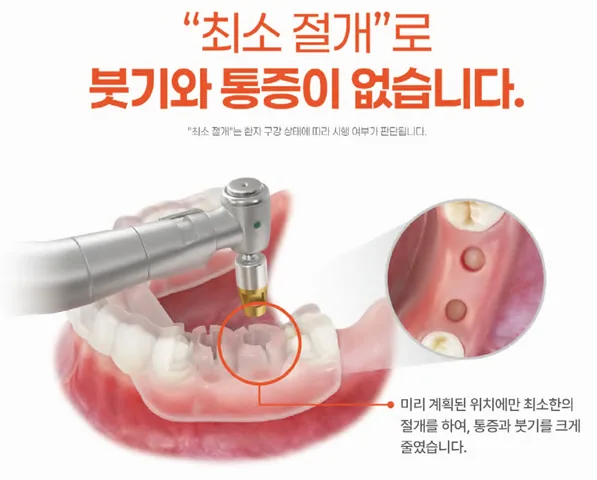
- 3) We transfer the plan to a surgical guide.
A surgical guide made from the simulation is fitted in the mouth, and the implant is placed in the position and direction set in the plan.
The job of a digital guide is to narrow the gap between the plan and the actual surgery. Even with a single CT scan, how much information we draw from it shapes how thorough the plan can be.
3. Planning starts with the finished tooth
I’ve spent many years in prosthetic and esthetic dentistry, so when I look at an implant site, I picture the tooth that will sit on top almost out of habit. This matters most for visible teeth like the front teeth, where a root that’s even slightly off-angle can leave the gumline and tooth length looking unnatural.

So I start by finding the root position that will give that tooth the most stable support. Planning this way is about more than getting the implant into the bone—it brings you closer to a tooth that looks and feels natural, whether you’re chewing or smiling.
4. Surgery performed by an oral and maxillofacial surgery specialist
I’m an oral and maxillofacial surgery specialist who trained at Seoul National University Dental Hospital, and I’ve spent years reading bone and gum conditions and planning surgery around them.

We work with two implant systems—Osstem and Straumann BLX—and choose between them based on your bone and the specifics of your case. If there isn’t enough bone, we plan a bone graft as part of treatment, and when conditions allow, we may place the implant at the same time the tooth is extracted to cut down on visits. If another clinic has told you an implant would be difficult in your case, I’d encourage you to sit down with us and look at your CT scan again from the start.
5. Even with a guide, we keep checking
A digital guide is a tool for improving accuracy; it doesn’t make every decision for us. During surgery, we recheck the plan against what we see firsthand—bone density, bleeding, and gum thickness. After surgery, we see you regularly to monitor how your gums are healing and how firmly the implant is bonding with the bone.

Surgery is done under local anesthesia, and patients who feel very anxious can choose implant surgery under sedation. You may feel some discomfort for about two to three days afterward, and depending on your bone, it usually takes two to six months before the final tooth goes in. Recovery speed and results vary from person to person, so we set your timeline together after reviewing your CT scan.
Final thoughts
Let’s go back to the question from the beginning. Implant placement is decided not by gut feeling, but by bone measurements and on-screen simulation. An implant stays with you for a long time, so it pays to ask plenty of questions and check the details before you begin.

If you have an implant consultation coming up, I hope you’ll ask for a detailed explanation based on your own condition. Wherever you choose to be treated, if the explanation makes sense to you, you’ll be able to start with much more peace of mind. I hope this post helps, even a little, if the prospect of implants has left you unsure where to begin.
Dr. Suwan Kim, Director, SU Dental Hospital
Related reading
- Best 1. About Us
- Best 2. SU Veneers: How Are They Different from Conventional Veneers?
This post was written by SU Dental Hospital and complies with Article 56(1) of the Korean Medical Service Act and all other laws governing medical advertising. Any surgery or procedure may involve side effects that vary by individual, so please get a thorough explanation from your dental team and decide carefully before proceeding with treatment.
This article was written by SU Dental Hospital and complies with Article 56 of the Korean Medical Service Act and related medical advertising regulations. Every procedure carries a risk of side effects that varies from person to person, so please talk it through fully with your dentist before making a decision.