
Hello, I’m Dr. Suwan Kim, head director of SU Dental Hospital. One question comes up in almost every veneer consultation I do.
“So, Doctor, how many millimeters of my teeth are you going to shave off?”
Many people have already seen figures like 0.3 mm or 0.5 mm online before they come in, so it’s a completely reasonable thing to ask.
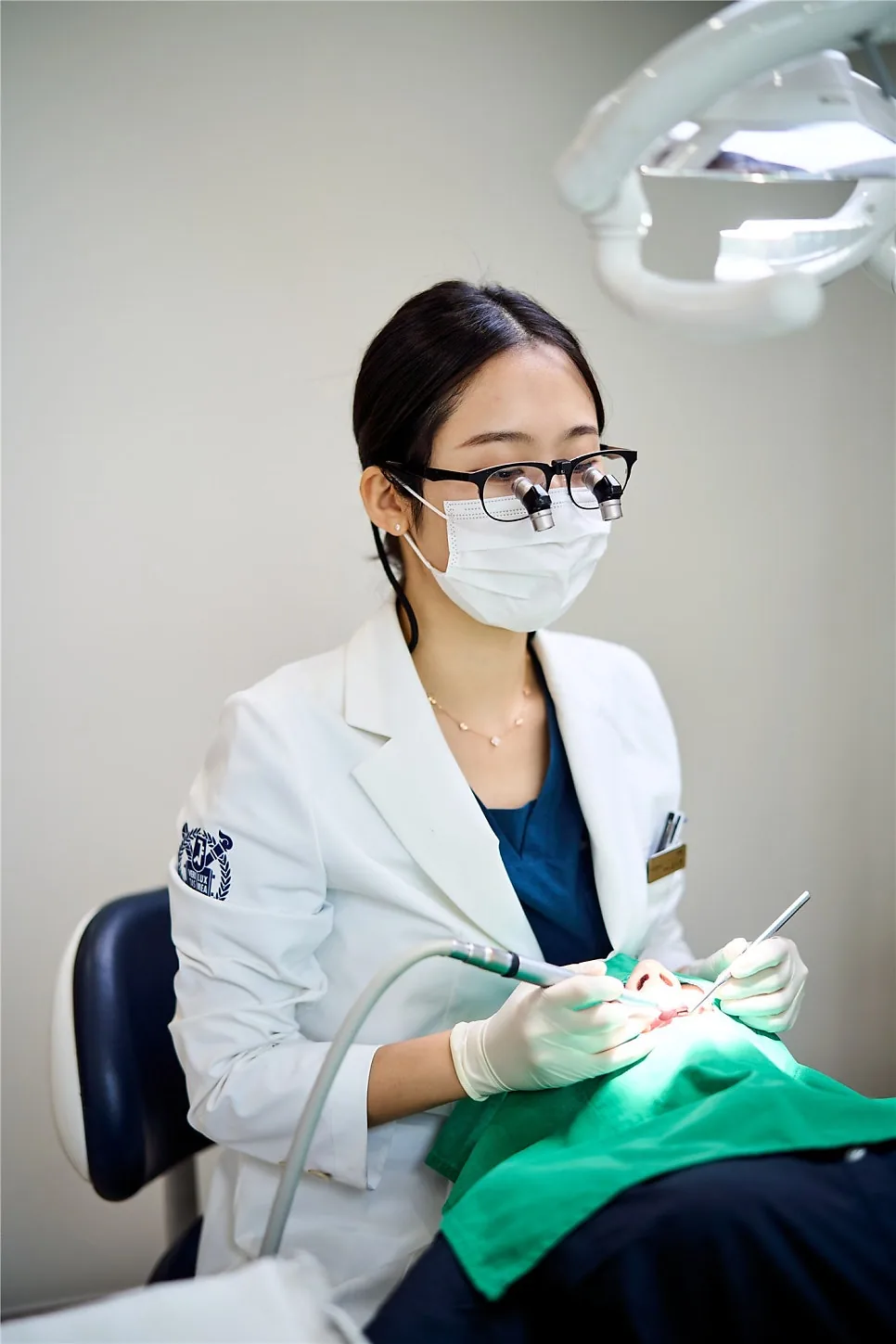
Tooth reduction is the topic I’m asked about most often in veneer consultations, so today I’d like to explain how I approach it.
1. Why I don’t answer “How many millimeters?” right away
Veneers are thin ceramic shells bonded to the front teeth to change their color or shape. Described that way, it can sound as simple as attaching a thin piece of ceramic and calling it done. But what matters most isn’t the moment the veneer goes on. It’s the condition your teeth are left in afterward.
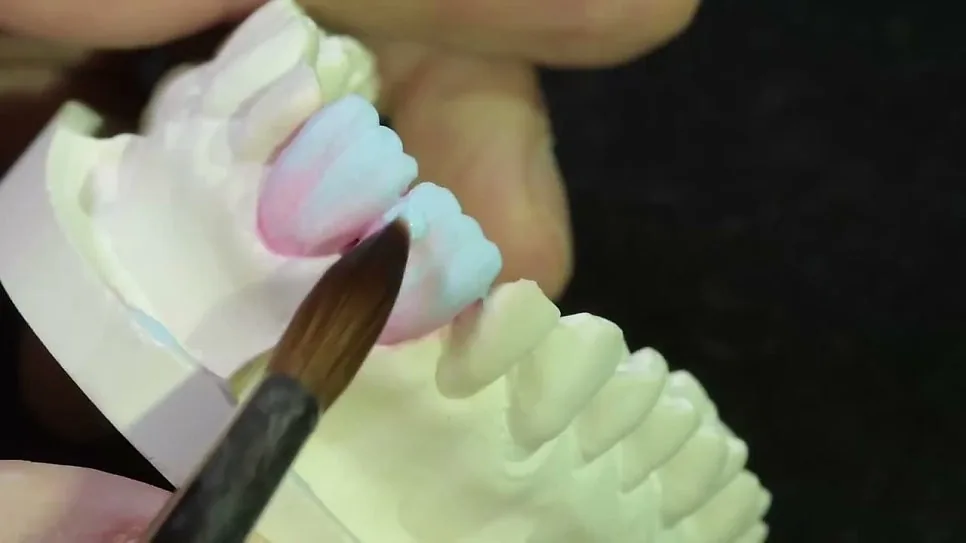
The same 0.3 mm can be plenty for one person and too little for another, because everyone’s teeth start out in a different position and with a different shape. That’s why I see the amount of reduction as something that follows once the plan is in place.
2. Reduction is the gap between your teeth now and your finished smile
When I’m deciding how much to trim, the first thing I do is picture how the teeth should look when everything is done. It’s like renovating a house: you start with the blueprints, not by knocking down walls.
Once the end result is defined, you can see how far your current teeth are from it. I reshape only the areas that need more room to close that gap and leave alone the areas that already have enough.
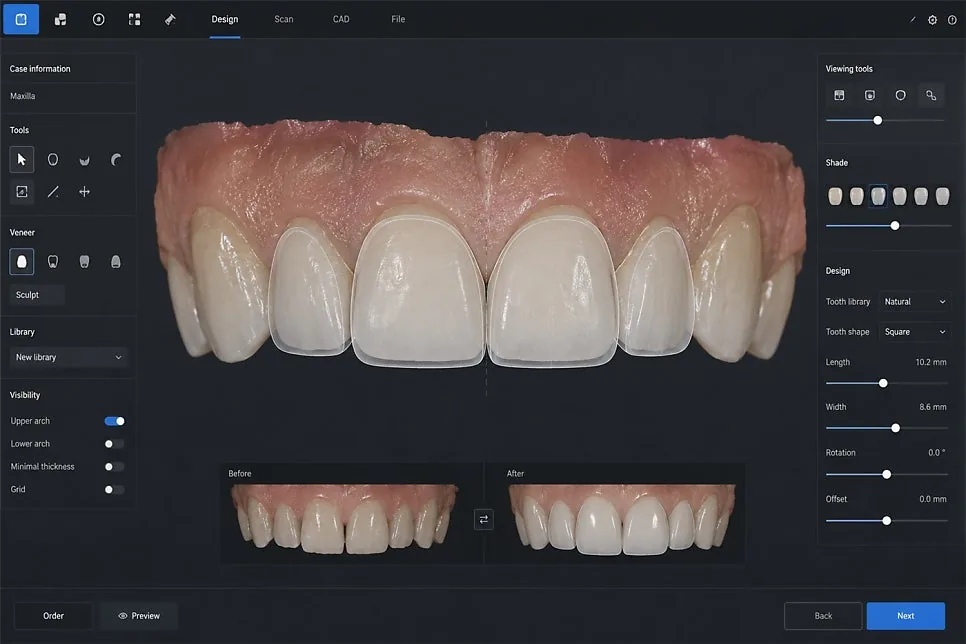
So in the consultation, we start by looking at your future smile together in an AI simulation. When needed, we check it again by trying the shape out in your mouth rather than just in a picture. At this stage, there are three things I always look at.
The first is whether your teeth currently sit forward or are set back. The second is whether you want to change only the color, or the length and width as well. The third is how your upper and lower teeth come together when you bite. Change any one of these, and both where we trim and how much will change too, even with the same type of veneer.
3. SU-Veneers are built on trimming as little as possible
This is what’s known as a minimal-prep veneer, meaning only a very thin layer of the tooth surface is reshaped. The idea is to keep as much of your natural tooth as possible and add a thin layer of ceramic to complete the shape.
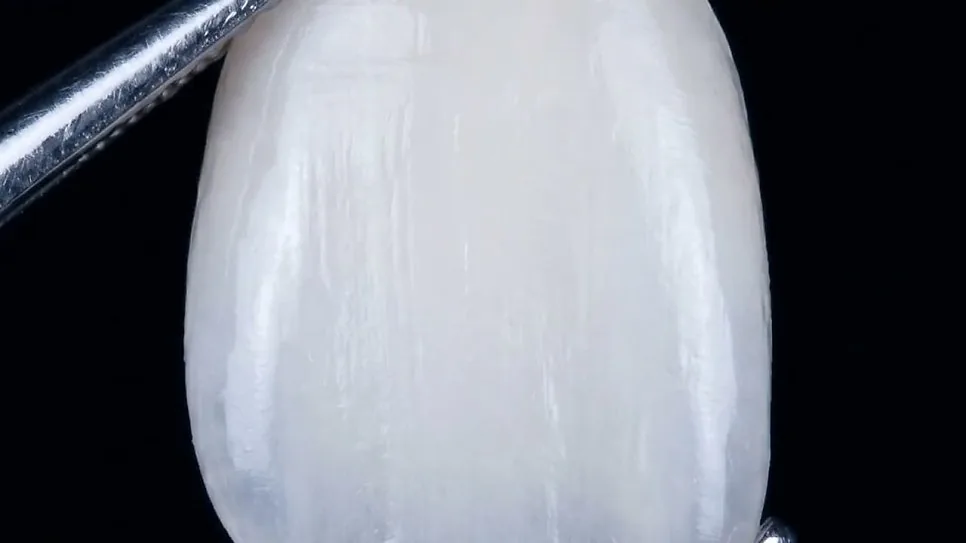
The reason is simpler than you might expect: once a tooth has been trimmed, it can’t go back to the way it was. Less trimming also means less strain for you in the treatment chair. Most cases can be done without anesthesia, or a low-discomfort numbing technique is enough.
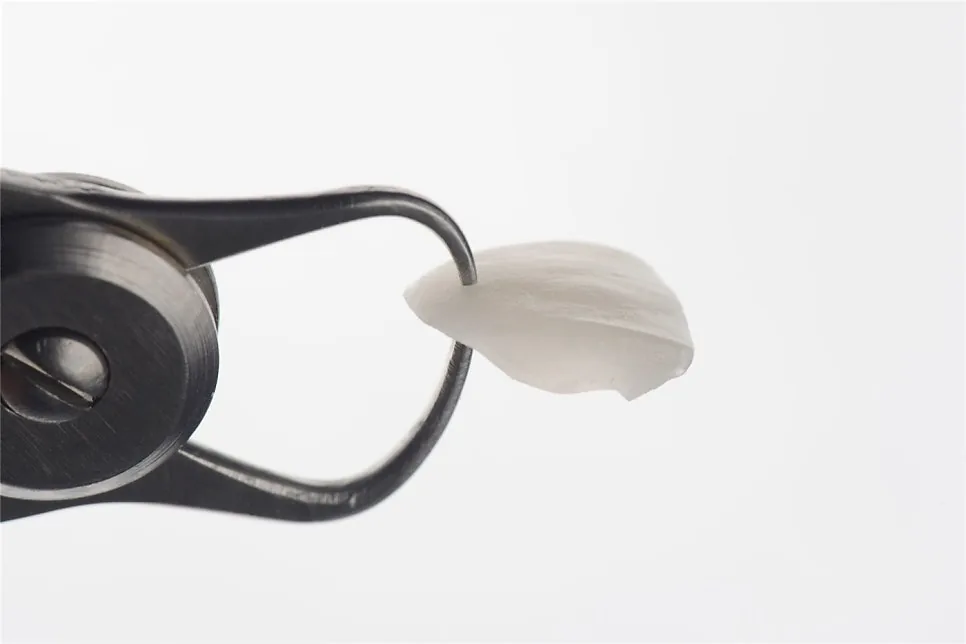
If there’s space to fill—small gaps between your teeth, say, or teeth that look undersized—you may be able to get close to the shape you want with very little trimming.
4. Sometimes reshaping is still necessary
That said, I can’t promise everyone no-prep veneers, meaning veneers placed with no trimming at all. If ceramic is added directly onto teeth that already sit forward, they can end up looking even more prominent. In cases like that, skipping reshaping entirely can actually lead to an unnatural-looking result. Reduction isn’t about “as little as possible, no matter what.” It’s closer to “precisely, and only where it’s needed.”
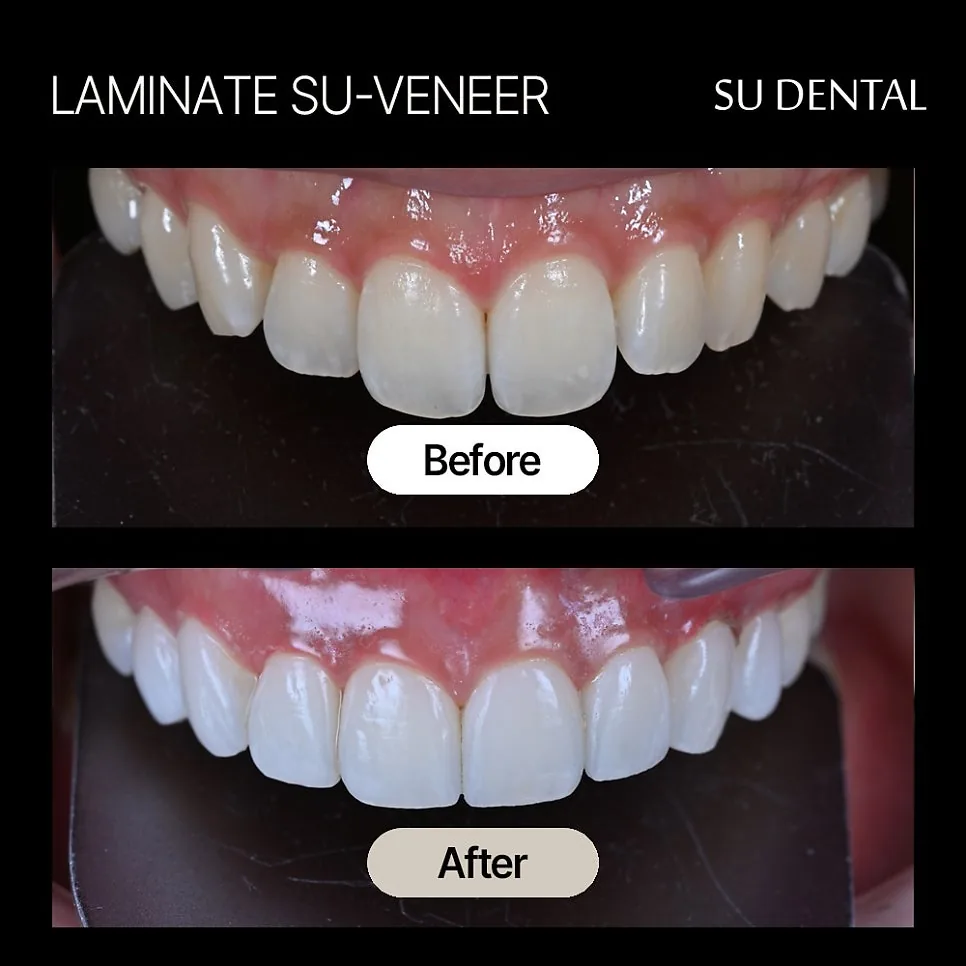
SU-Veneer case treated at SU Dental Hospital. Individual results may vary.
That’s why every consultation begins with an explanation of where, why, and how much we need to reshape. If I can’t explain why tooth structure needs to come off, I don’t think it should.
5. The final decision is made in the mouth
However carefully a plan is drawn up, the final call comes down to how things look and fit in the mouth. Because we have an in-house dental lab, we can try the veneers on your teeth and adjust them on the spot.

Depending on the case, treatment can sometimes be completed within a single day. But we don’t shorten the checking process just to fit a timeline.
A final word
Asking “How many millimeters will you remove?” in a veneer consultation is a genuinely good question. It’s just hard to judge an entire treatment by that one number. You should also hear an explanation of the difference between your current teeth and the planned result, and how that difference will be closed.

It doesn’t matter which clinic you consult with. If you have a veneer consultation coming up, ask as many questions as you need and listen closely to the answers. They’ll show you clearly what your treatment plan is based on.
If you have other questions, feel free to ask us in person at the clinic. Thank you for reading this far. This has been Dr. Suwan Kim, head director of SU Dental Hospital.
[Related reading]
- Best 1. About Us
- Best 2. Veneers: How Much Tooth Needs to Be Trimmed?
This post was written by SU Dental Hospital and complies with Article 56(1) of Korea’s Medical Service Act and all other laws governing medical advertising. Any surgery or procedure may cause side effects, which vary by individual. Please make your decision carefully after a thorough consultation with your medical team.
This article was written by SU Dental Hospital and complies with Article 56 of the Korean Medical Service Act and related medical advertising regulations. Every procedure carries a risk of side effects that varies from person to person, so please talk it through fully with your dentist before making a decision.