
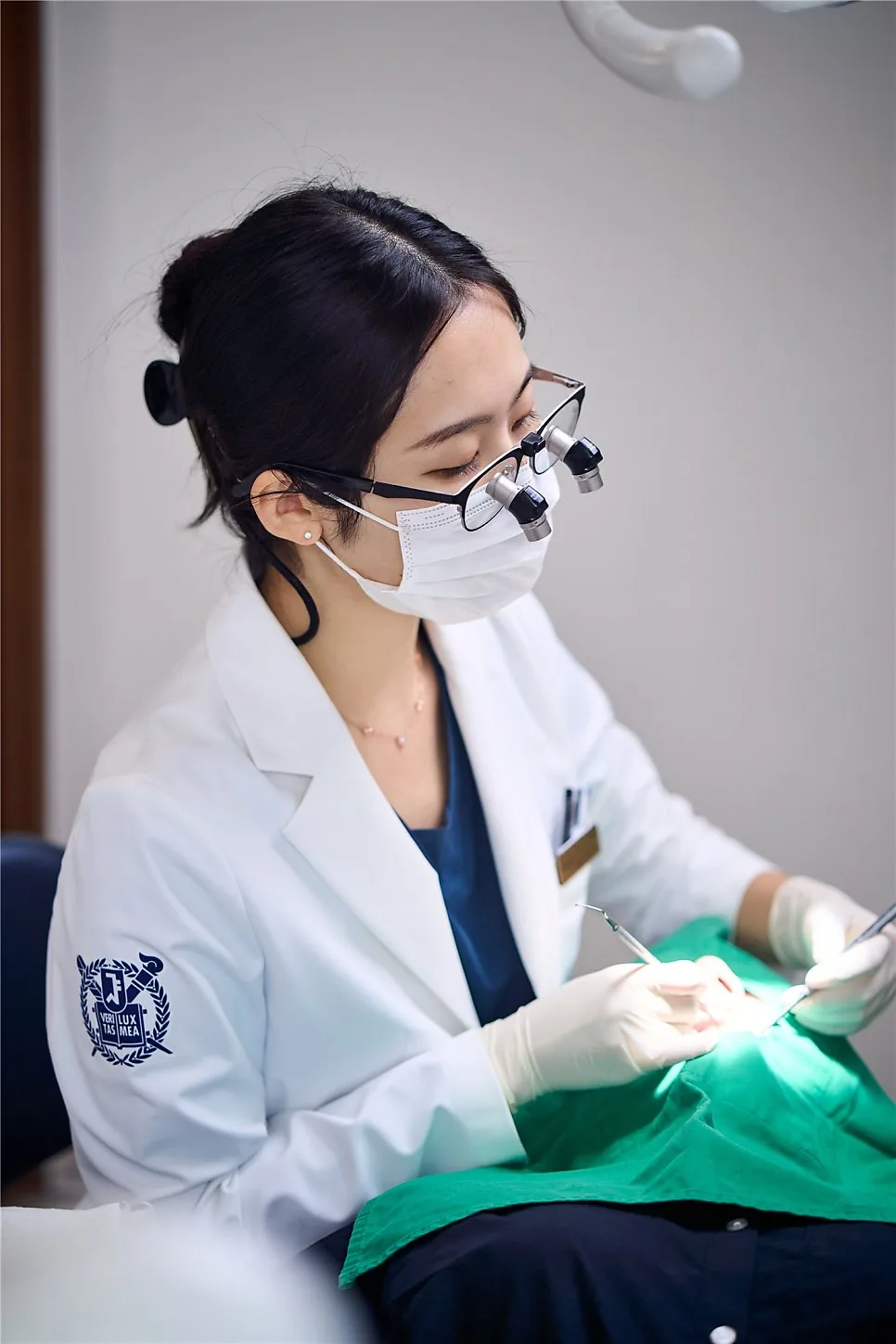
Hello, I’m Dr. Suwan Kim, lead dentist at SU Dental Hospital. Many people who come in for a whitening consultation end up asking about veneers, too.
“Will whitening be enough, or do I need veneers?”
Both can make your teeth look brighter, so it’s natural to feel unsure about which to choose. In fact, neither one is simply better than the other.
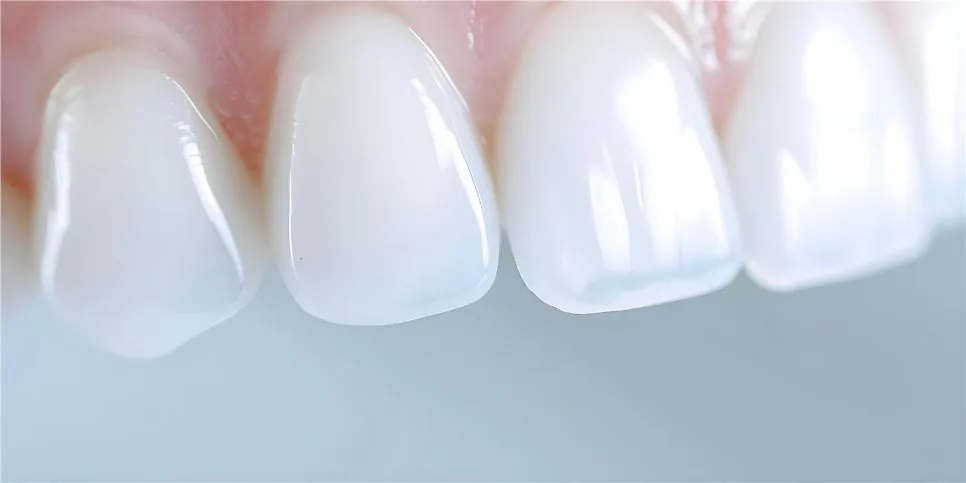
That’s because the right starting point depends on whether you want to change just the color of your teeth or their shape as well. If you’re looking into whitening, here’s how the two treatments differ, just as I’d explain it to patients in the consultation room.
1. Whitening brightens; veneers cover
Teeth whitening brightens the teeth you already have. Nothing is filed down or covered: a whitening agent penetrates the tooth and breaks down pigment that has built up inside. It works well on stains left by everyday drinks like coffee, tea and wine.
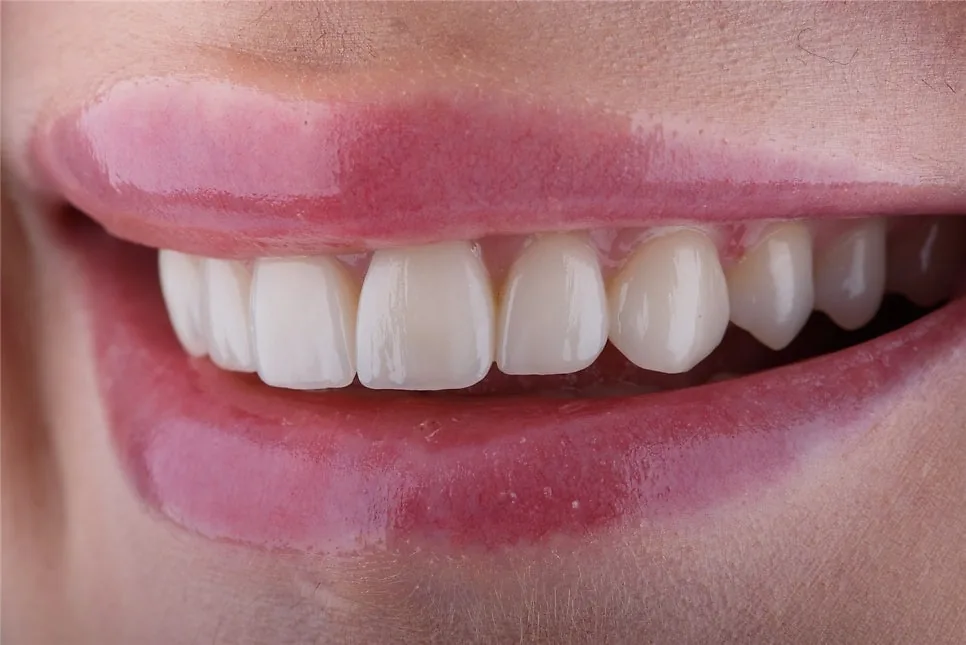
Veneers work differently. A thin layer of ceramic is bonded to the surface of the front teeth, improving their shape and color at the same time. That means you can change not only the shade of your teeth but also their length and shape.
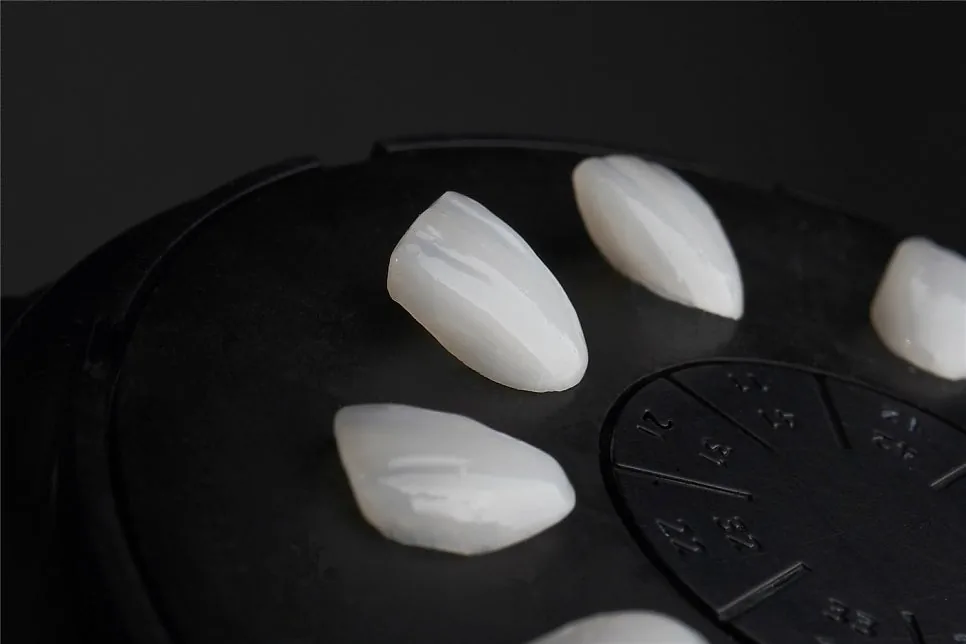
This basic difference in approach is behind every other difference I’ll describe below.
2. When whitening is enough—and when it isn’t
If your teeth have no major problems with shape or alignment and simply look yellowish overall, whitening is often enough. It’s also a good fit if you have a wedding, a photo shoot or another big day coming up, or if you want brighter teeth on a short timeline.

That said, some teeth don’t respond well to whitening. A tooth that has darkened from the inside after a root canal, or discoloration caused by medication, may improve only so much with whitening alone. Gaps between teeth, chips and teeth that are on the small side are also things whitening can’t change. If any of these are part of what bothers you, veneers may be worth considering.
3. When whitening should come before veneers
There’s one suggestion I make in the consultation room more often than people might expect:
“Before getting veneers, why not try whitening first?”
Whitening agents work only on natural teeth; they don’t change the color of restorations such as crowns or veneers. So if you’re planning veneers on just a few front teeth, it makes sense to brighten the rest of your teeth first and then choose a veneer shade to match.

I also lecture other dentists on one-day whitening. My view is that if whitening can solve a concern, it’s better to stop there than to add another treatment on top. At SU Dental Hospital, we offer both professional in-office whitening, which brightens teeth in a single visit, and prescription at-home whitening, which you continue on your own using custom-fitted trays.
4. If you choose veneers, start with as little reshaping as possible
If, on the other hand, you want to change both color and shape, veneers may be the better fit. In that case, the first thing I look at is how much of your own tooth can be preserved.
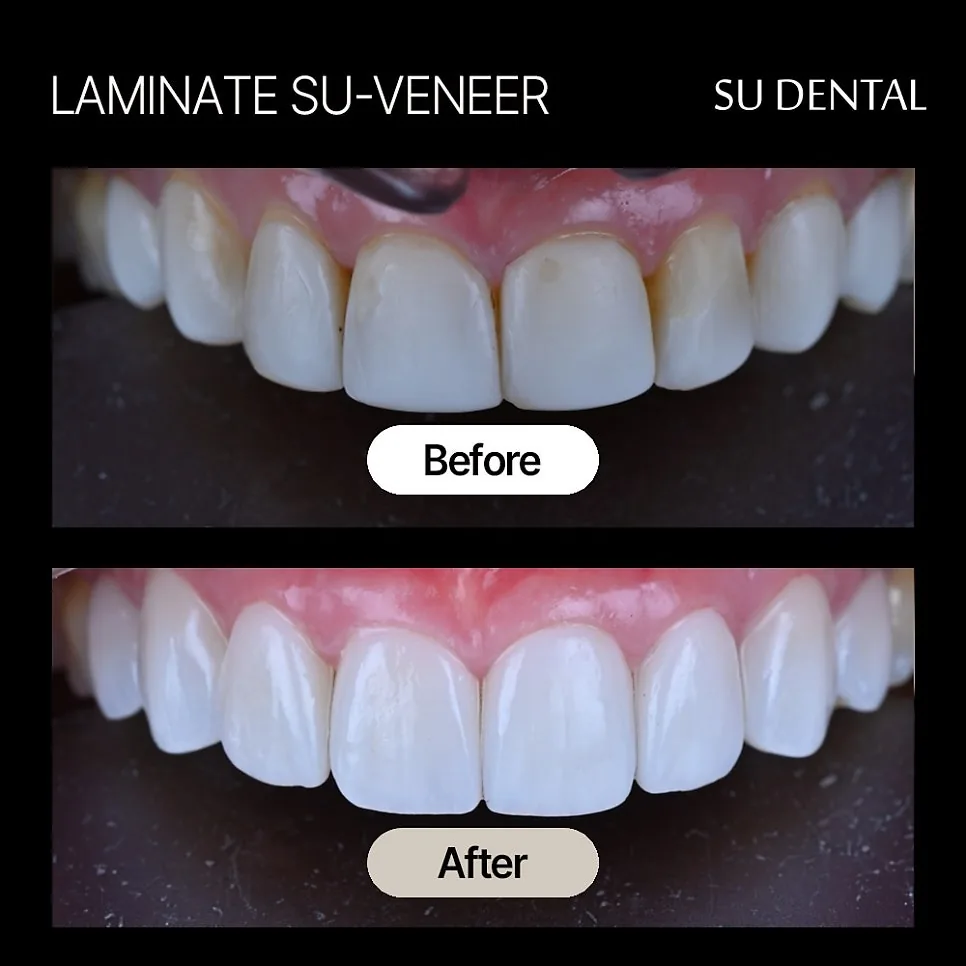
The photo above shows an actual SU-Veneer case; individual results may vary. SU-Veneer is planned to leave your natural teeth as intact as possible, with a thin layer of ceramic added on top—what’s often called a minimal-prep approach, meaning only as much of the natural tooth is filed away as is truly necessary. The idea is to bring what makes whitening appealing—it protects your own teeth—to veneers as far as we can.
The shade is chosen to suit the neighboring whitened teeth and your skin tone, and the edges are made slightly translucent so light passes through them, as it does with natural teeth. The goal isn’t simply white teeth but teeth that look as though they’ve always been your own.
5. The trade-offs differ, too
So are veneers always the better option? Because each treatment gives you something different, each also comes with its own trade-offs.
Whitening doesn’t involve filing down your teeth, but the results aren’t permanent—they typically last around six months to a year. If you drink coffee or wine often, you’ll need occasional touch-ups, and you may notice some sensitivity for about a day after treatment.

Veneers take care of color and shape in one go, but they mean adding a restoration to your natural teeth. Once tooth structure has been reshaped, that can’t be undone, so it’s important to weigh the decision carefully before you begin. That’s why I don’t recommend veneers as a first step to anyone for whom whitening would be enough.
Final thoughts
Whitening and veneers solve different problems. Do you want only a brighter color, or a different shape as well? Would you rather keep your natural teeth as they are, or take care of everything at once? Your answers to these questions will point you toward the option that suits you.

If you started out researching whitening and now find yourself wondering about veneers, I’d suggest making your decision with a clinic that will walk you through both options side by side. Please feel free to bring any questions to your consultation.
Thank you for reading. This has been Dr. Suwan Kim, lead dentist at SU Dental Hospital.
[Related reading]
- Best 1. About us
- Best 2. SU-Veneer: How is it different from conventional veneers?
This post was written by SU Dental Hospital and complies with Article 56(1) of the Korean Medical Service Act and all other laws governing medical advertising. Any surgery or procedure may involve side effects, which vary from person to person, so please consult thoroughly with your dentist before deciding on treatment.
This article was written by SU Dental Hospital and complies with Article 56 of the Korean Medical Service Act and related medical advertising regulations. Every procedure carries a risk of side effects that varies from person to person, so please talk it through fully with your dentist before making a decision.