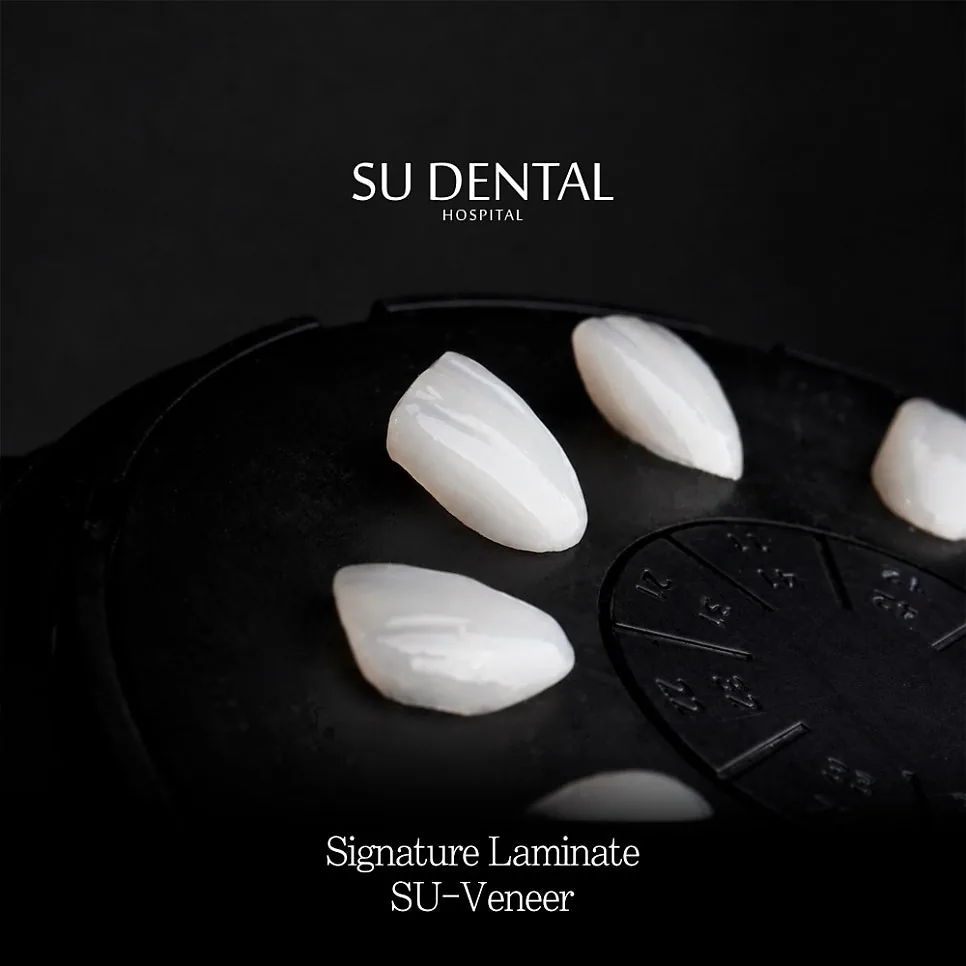
Hello, I’m Dr. Suwan Kim, head dentist at SU Dental Hospital. In consultations about veneers, I hear the same worries again and again.
“Will they look unnaturally white?”
“Will you have to grind down a lot of my teeth?”
I don’t think those worries are overblown.
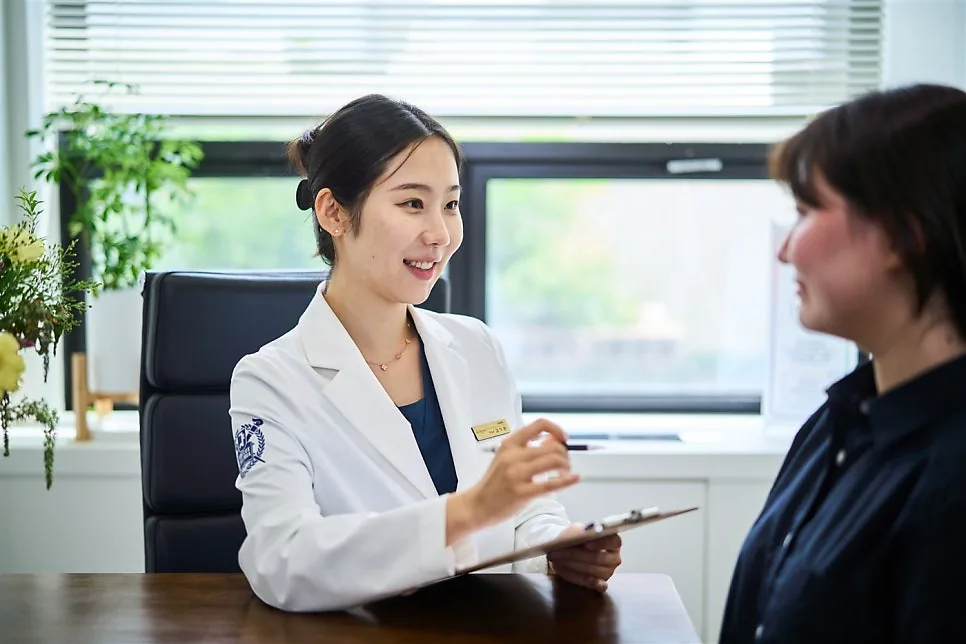
Once tooth structure is removed, it doesn’t grow back—and a smile that looks off is something you face in the mirror every day. So I want to explain, as candidly as I can, why I gave the veneers I place a name of their own: SU-Veneer. This is less a sales pitch than a look at what I actually weigh in the treatment room.
1. What is SU-Veneer?
In Korea, veneers are often called “laminates,” but the proper term is veneer: a thin shell of ceramic bonded to the front of a tooth to change its color and shape.
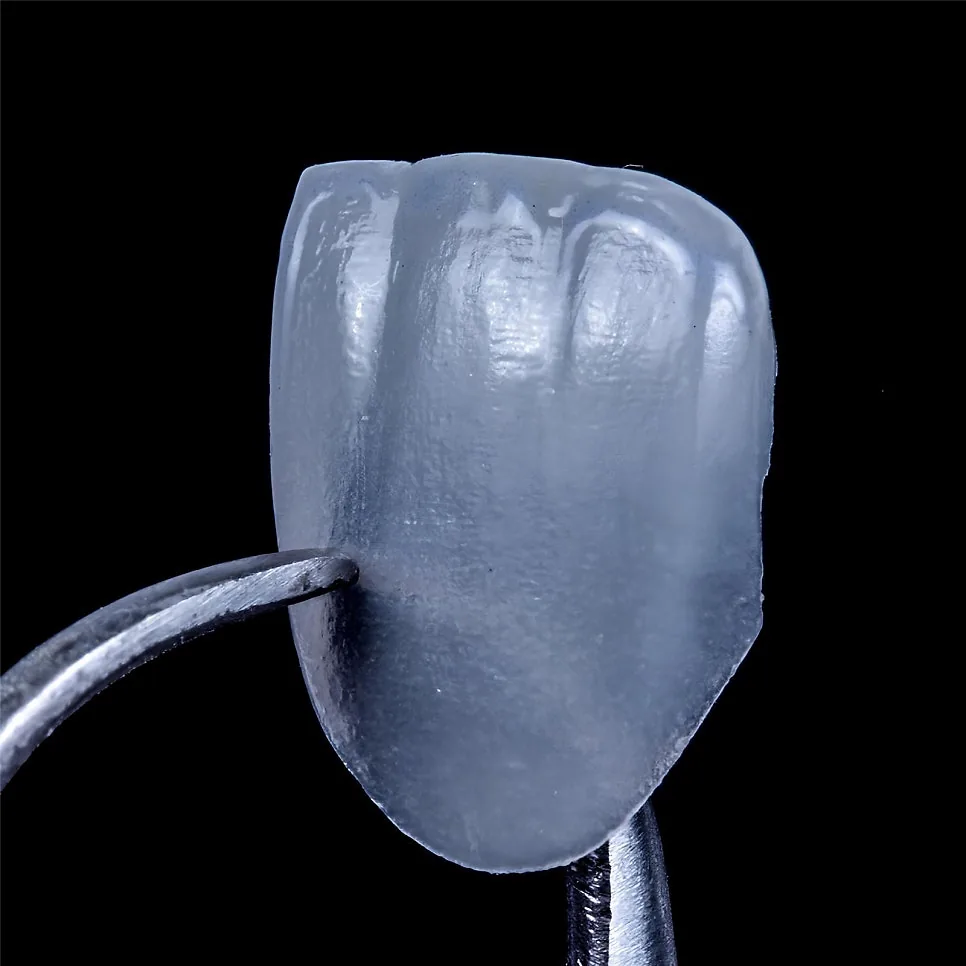
Even when the treatment has the same name, results can vary quite a bit depending on the standards behind it. How much of the tooth to shape, which shade to choose, who makes the veneers and who bonds them—these choices add up, one by one, to a person’s smile.
For each of those choices, I’ve defined the standard I want to hold myself to, and SU-Veneer is the name I gave that set of standards. Giving them a name also means taking responsibility for living up to them.
2. We don’t make your teeth fit the veneer
The guiding principle of SU-Veneer is a no-prep or minimal-prep approach: either the tooth isn’t shaved at all, or only a very thin layer is removed—just as much as is truly necessary. I often compare it to a tailored suit. You don’t alter the body to fit the suit—you cut the suit to fit the body. Veneers work much the same way: rather than trimming teeth to fit the veneer, the idea is to make the veneer fit the teeth you already have.

Preserving the enamel on the tooth’s outer surface helps the ceramic bond securely, and it lets you keep your own teeth that much longer. Because so little is removed, the procedure is often done without anesthesia, or with light, low-pain anesthesia.
That said, not every case can be done with no shaping at all. If teeth protrude or the alignment is noticeably uneven, a little reshaping can actually bring you closer to a natural-looking smile. So rather than starting with whether to shave the teeth, I start by deciding exactly where—and how much—to shape.
3. Three things decide whether a smile looks natural
The goal I have in mind with SU-Veneer is clear: a smile that looks beautiful and natural once treatment is finished.
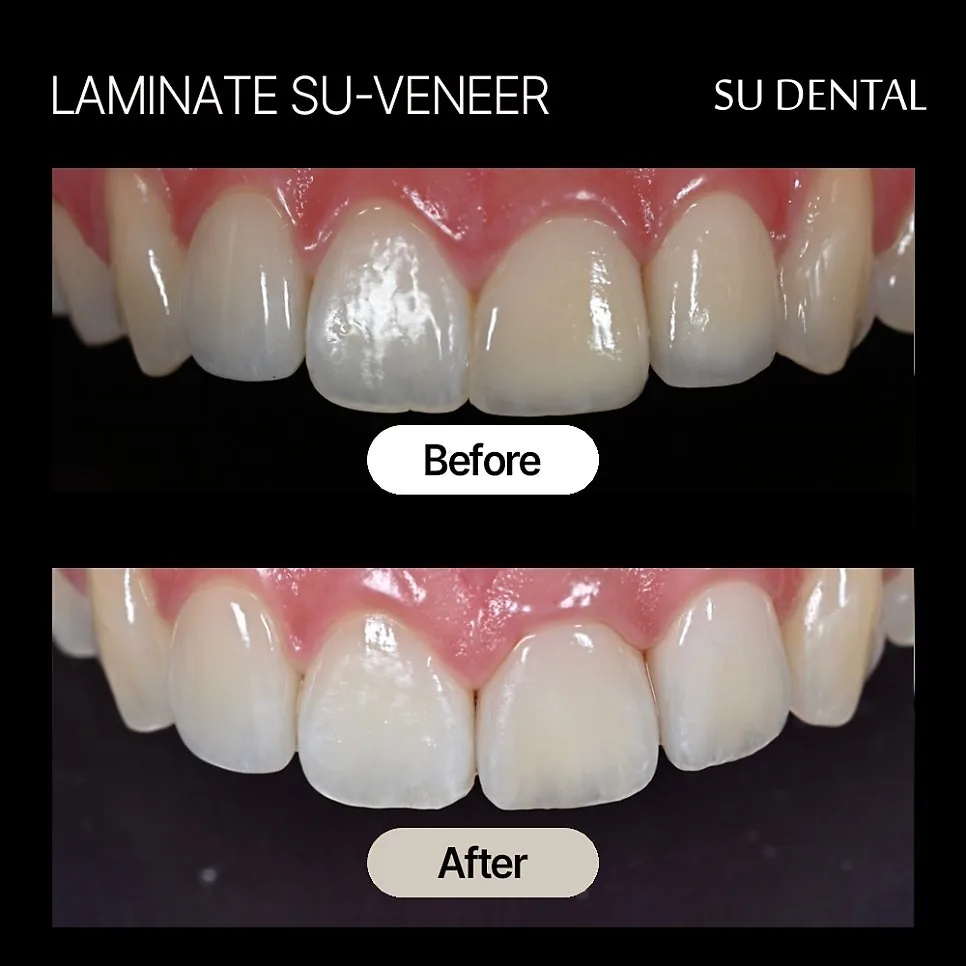
So in every consultation, I always look at three things together.
- First, color.
Brighter isn’t automatically better. Together, we choose a shade that works with your neighboring teeth and your skin tone. - Second, shape.
Length and form need to follow your lip line and face shape; otherwise the smile can look disconnected from the rest of your face. - Third, translucency.
Natural teeth let a little light through toward the edges, and veneers need to keep that quality to look relatively less noticeable.
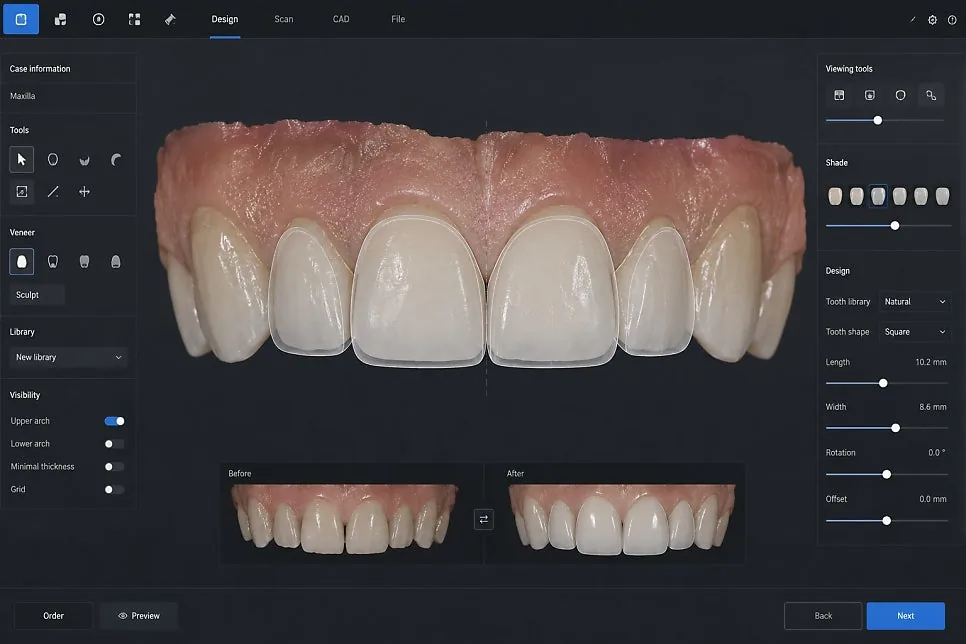
That’s why, before treatment, we use AI software to preview the finished smile. If needed, we first try out the shape directly in your mouth so you can see the result for yourself before any tooth is touched. The on-screen image is a reference for agreeing on a direction together; in practice, we recheck color, thickness, and bite in the mouth itself.
4. Materials and fabrication, overseen in-house from start to finish
Veneers vary in strength and texture depending on the ceramic used. We choose from Vita Mark II, HASS Rosetta, and E.max, weighing the condition of your teeth, the look you’re after, and your budget. The most expensive material isn’t the right choice for everyone.
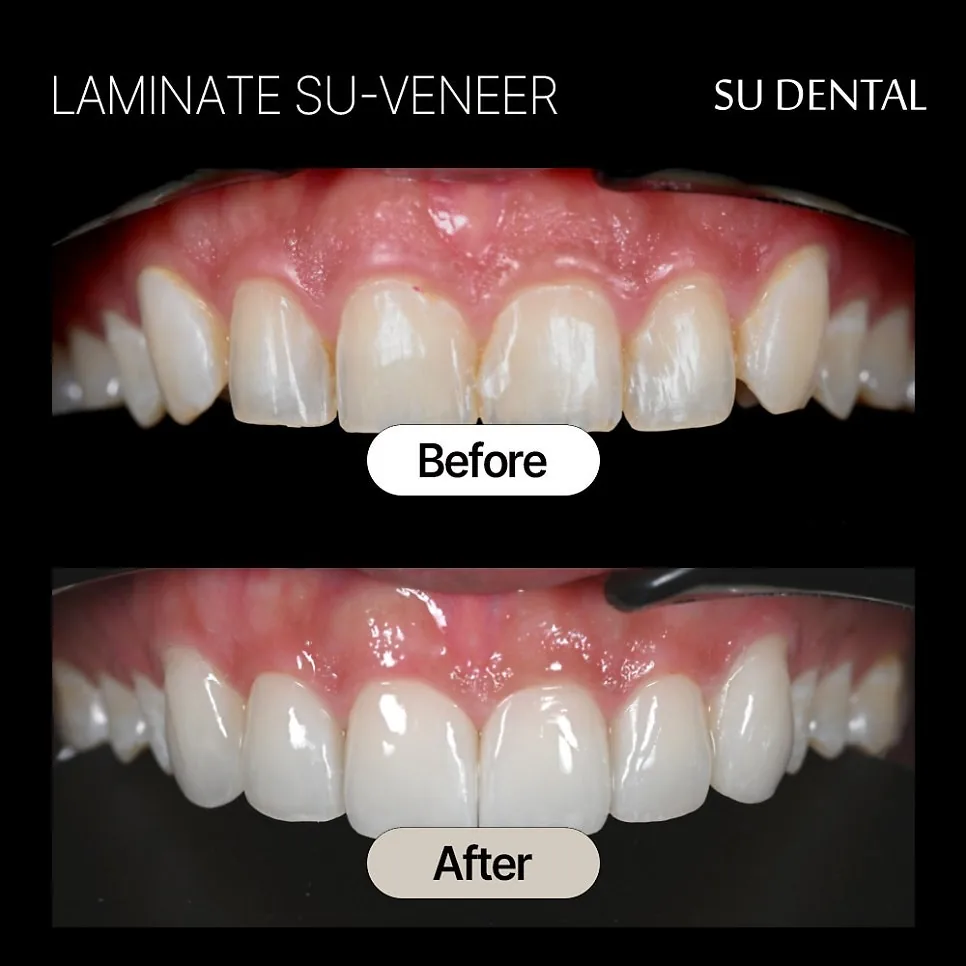
When a veneer needs a very thin finish, we may use the platinum foil technique for an even more precise result. That work is done in our in-house dental lab. Since everything from imaging to fabrication to bonding happens in one place, any small mismatch in shade or length we spot during the try-in can be corrected right then and there.
In some cases, veneers can be completed in a single day. But we don’t skip any of the checks just to make a one-day timeline work.
5. What I learn from teaching
I previously served as director of an aesthetic prosthodontics center, and I now lecture to fellow dentists as a faculty member at veneer seminars.
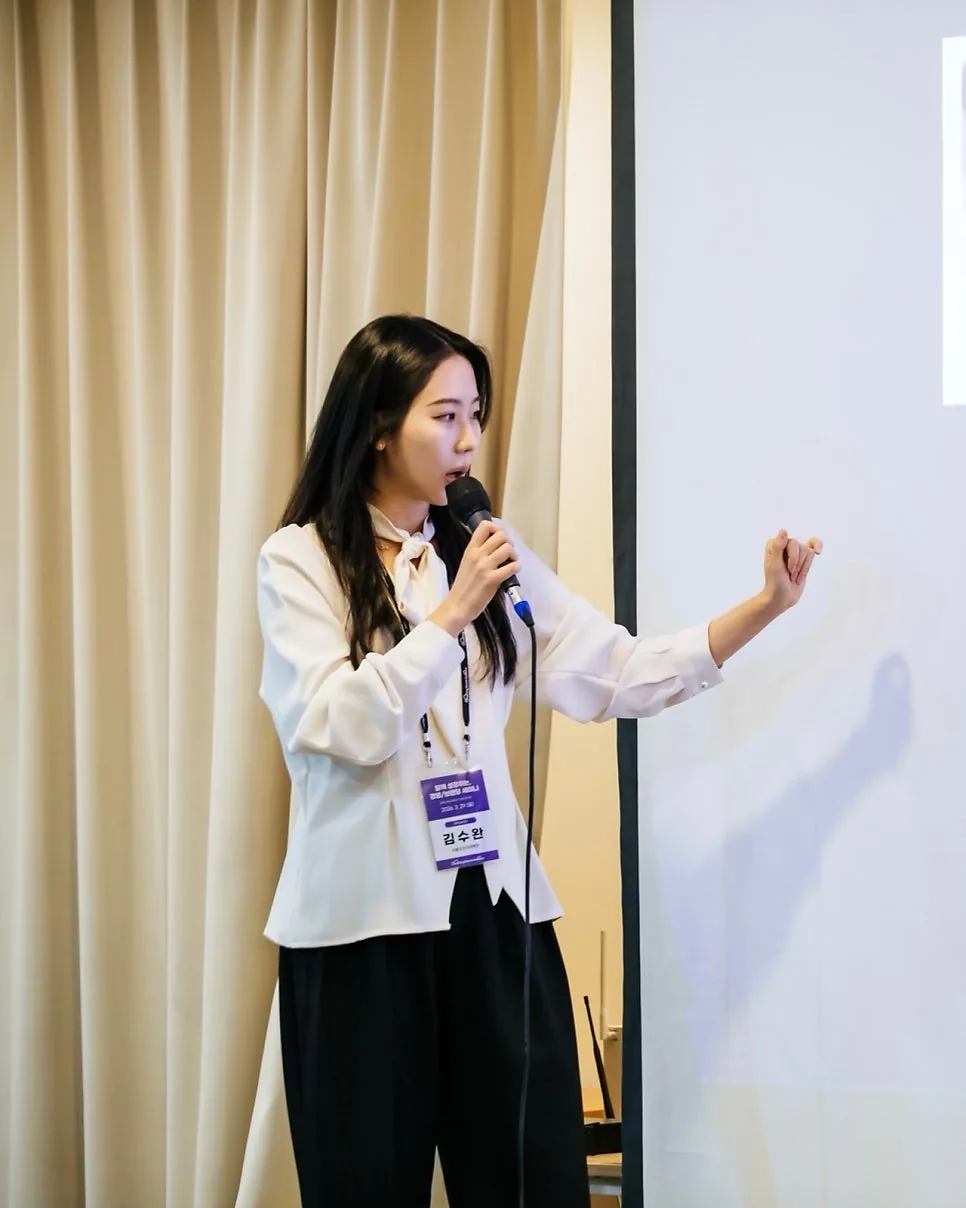
Doing both clinical work and teaching means I keep re-examining my own standards. When I’m explaining a case to other dentists, it isn’t enough to show what I did; I have to be clear about why I made that call.
That’s also why I see every patient myself, from the first consultation through the procedure to the finishing touches. I take personal responsibility from start to finish, so that the treatment you receive matches the plan we discussed at your first consultation.
Final thoughts
Veneers change your smile, but they also mean working on your own natural teeth. So before any dramatic transformation, the first thing I consider is how much of the tooth we can preserve.
Only as much shaping as needed—no more. A shade that suits your face, not a blinding white.
SU-Veneer is the name I chose to keep myself accountable to those standards.
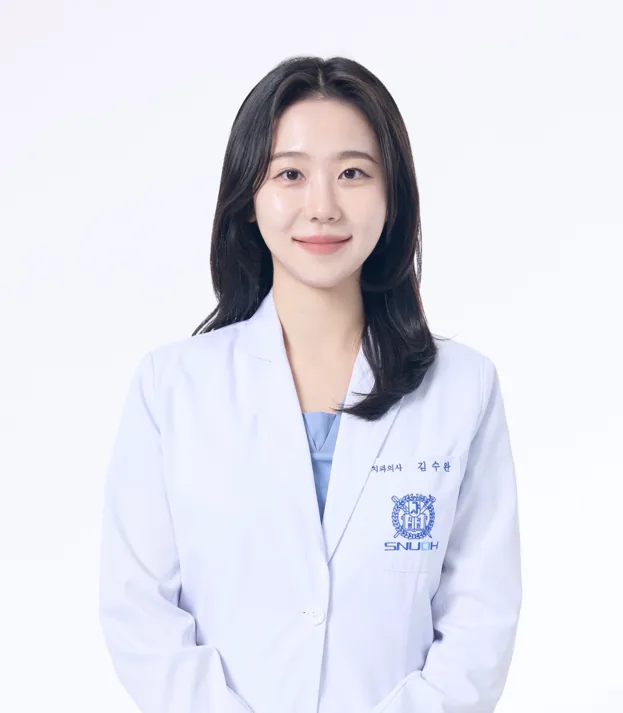
Each veneer line comes with its own warranty period, but before treatment we also explain in detail the changes that can occur and that vary from person to person, such as sensitivity or wear of the restorations.
You don’t have to choose us. But wherever you go for a consultation, ask how much of your natural tooth structure can be preserved before you ask how many veneers you’ll need. And if you have any questions, you’re welcome to come in for a consultation.
Thank you for taking the time to read this. —Dr. Suwan Kim, head dentist, SU Dental Hospital
This post was written by SU Dental Hospital itself and complies with Article 56(1) of the Korean Medical Service Act and all other laws governing medical advertising. All surgeries and procedures can involve side effects that vary from person to person, so please make your decision carefully after a thorough consultation with your dental team.
This article was written by SU Dental Hospital and complies with Article 56 of the Korean Medical Service Act and related medical advertising regulations. Every procedure carries a risk of side effects that varies from person to person, so please talk it through fully with your dentist before making a decision.